Steroids
Steroids and performance enhancers
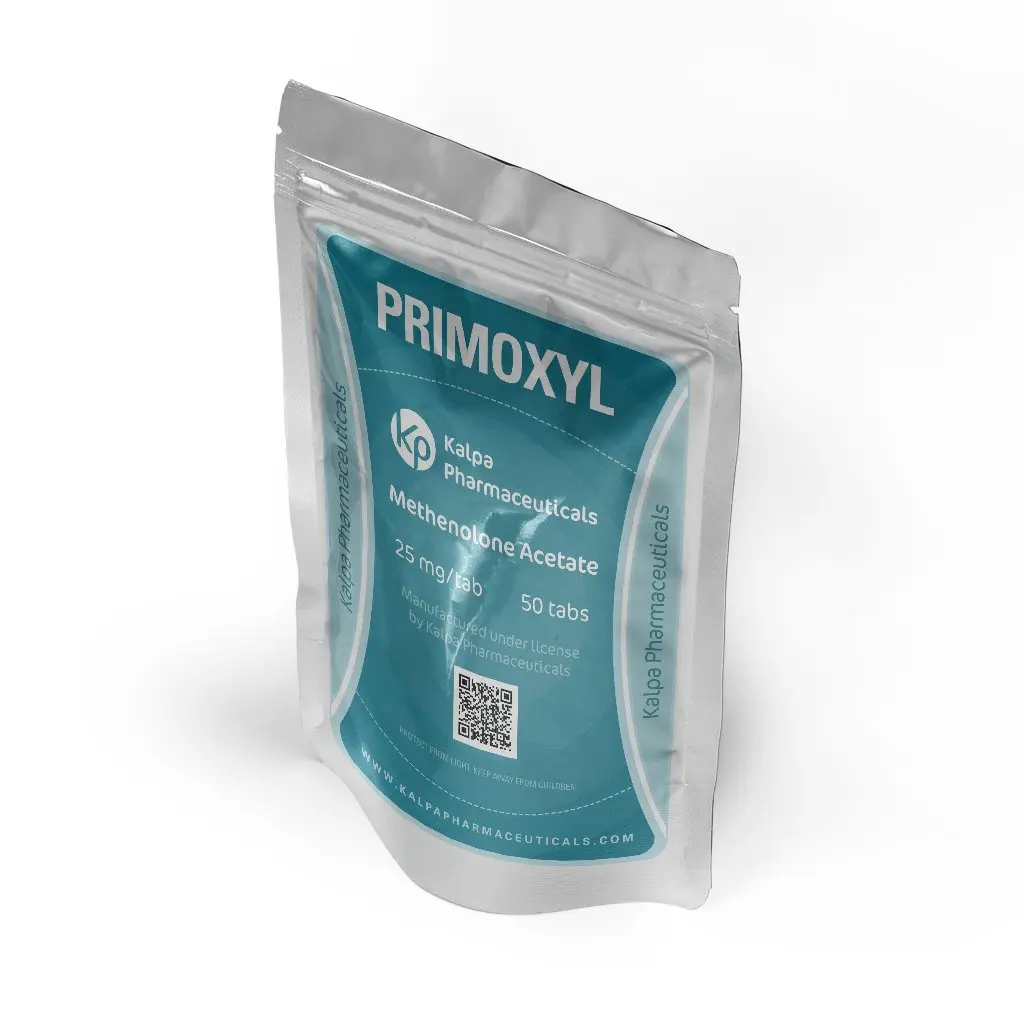
Primoxyl 25 mg
Trusted Kalpa Pharmaceuticals Primoxyl Source Primoxyl by Kalpa Pharmaceuticals is an oral anabolic steroid containing Methenolone Acetate, widely recognized for its mild profile and effectiveness in preserving lean muscle mass during cutting phases. This compound is ideal for athletes aiming for slow, high-quality gains with minimal side effects. Benefits of Primoxyl Promotes lean, dry muscle mass Low risk of water retention and estrogenic effects Suitable for both male and female athletes Minimal impact on blood pressure and liver function
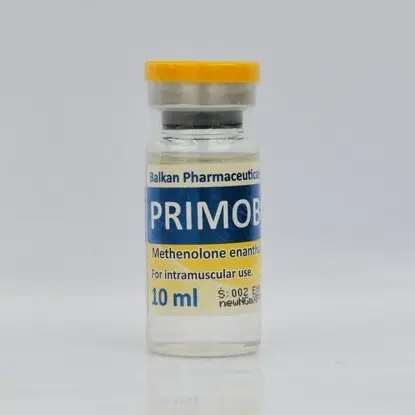
Primobol 10 Ml
Trusted Balkan Pharmaceuticals Primobol 10 mL Source Primobol 10 mL Lab Test Results

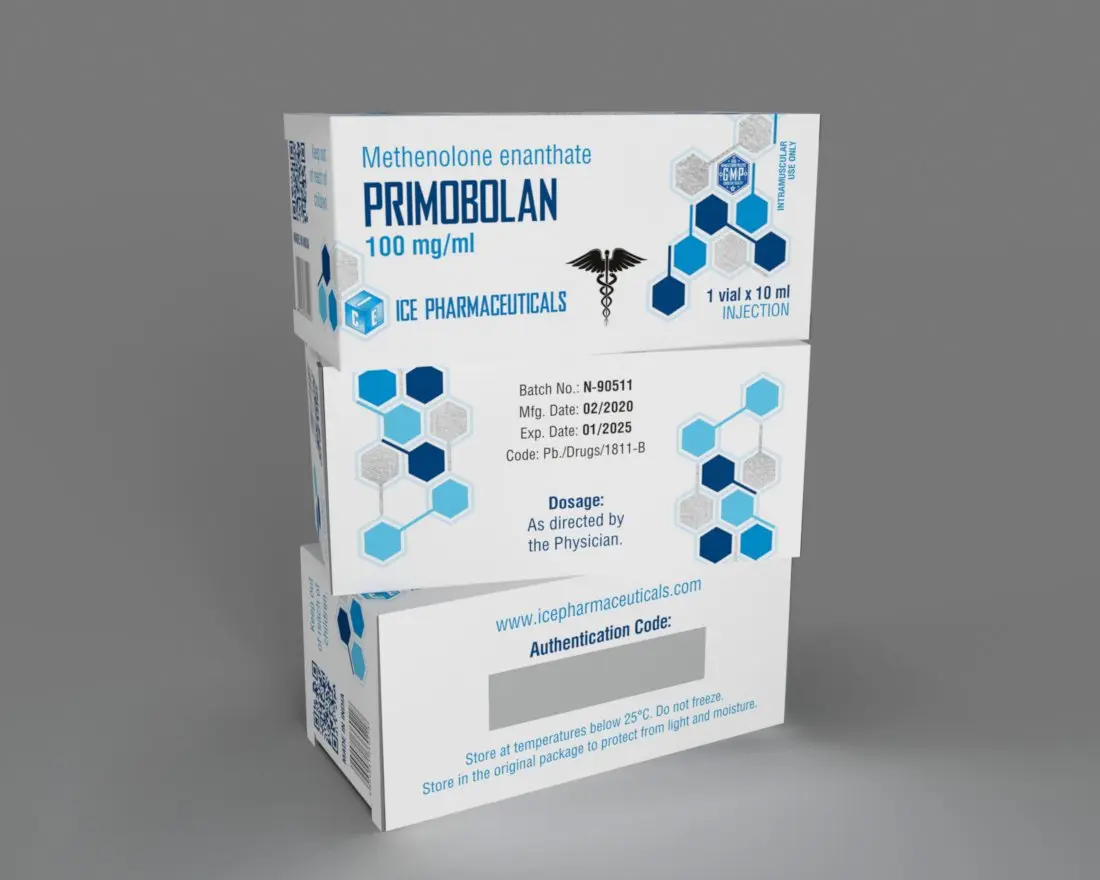
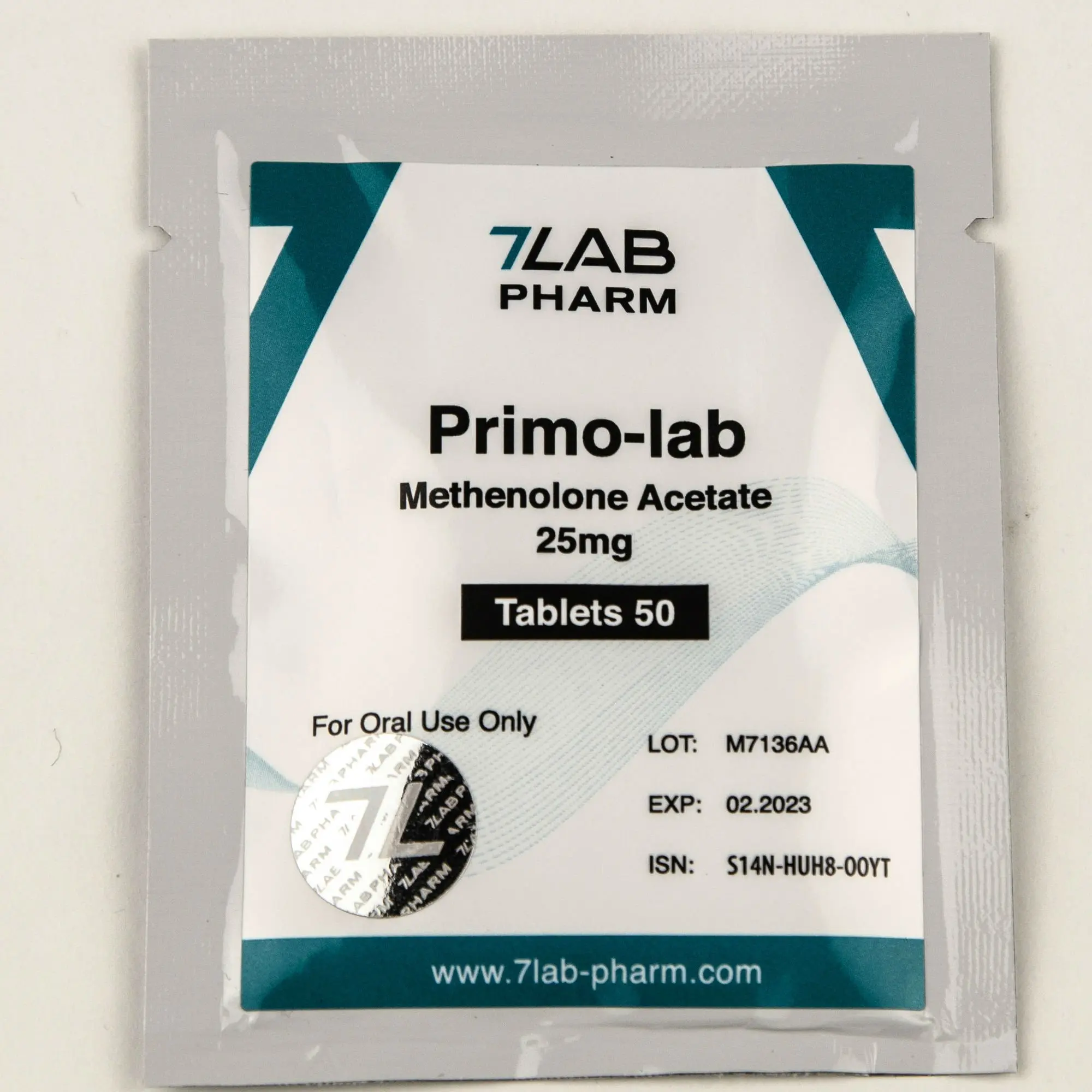
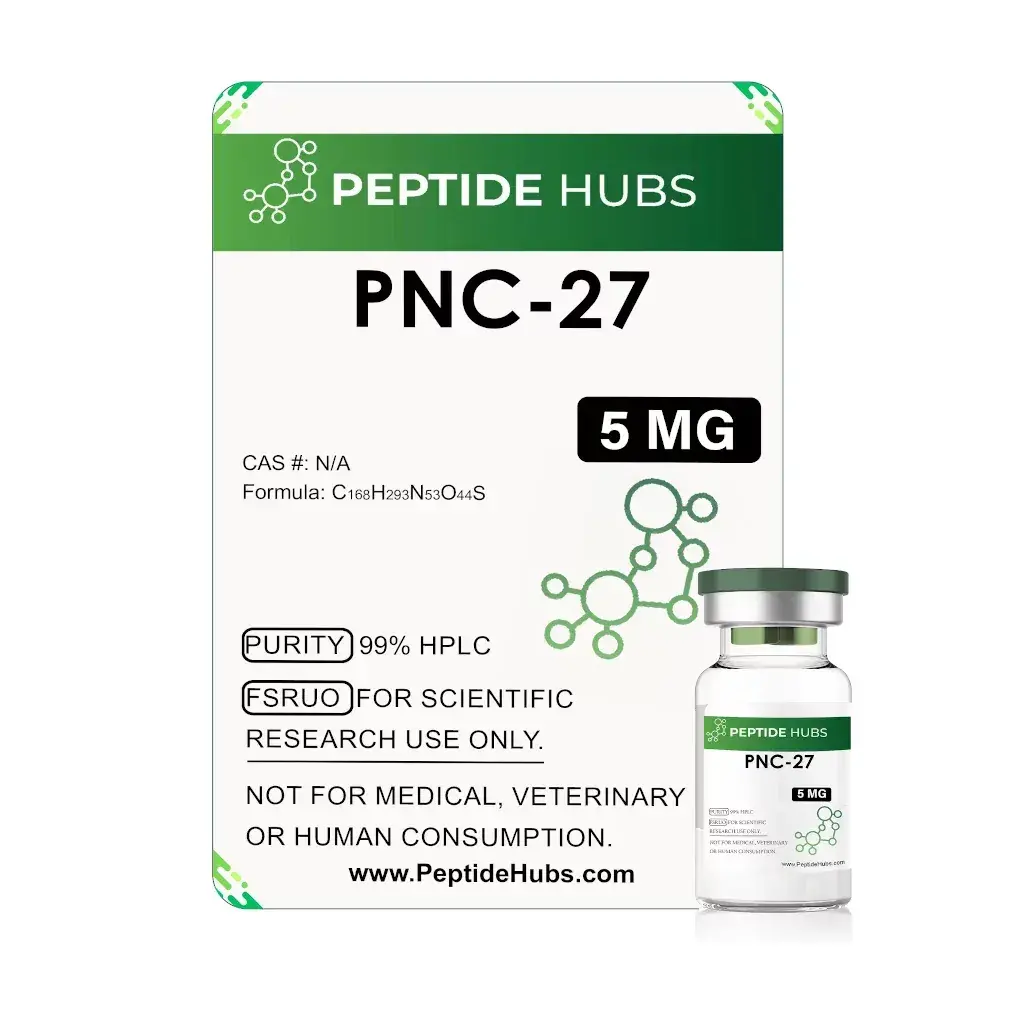
PNC-27 5 mg
PNC-27 5 mg – Anti-Cancer Research Peptide by Peptide Hubs PNC-27 is a synthetic peptide composed of a p53-derived sequence linked to a membrane residency domain. It has been extensively studied in preclinical research for its highly selective cytotoxic effects on cancer cells without affecting healthy tissue. Offered by Peptide Hubs in a 5 mg/vial formulation (2 mL vial), PNC-27 is strictly intended for research use and is not approved for human consumption or therapeutic applications. What is PNC-27? PNC-27 is engineered to mimic a segment of the p53 tumor suppressor protein, combined with a membrane translocation sequence. This design enables it to bind to HDM-2 (Human Double Minute-2), a protein overexpressed in many cancer types, forming pores in cancer cell membranes and causing selective lysis. Research has shown that it targets malignant cells while sparing healthy ones, making it a fascinating subject in the field of experimental oncology. As outlined in this PubMed-indexed study, PNC-27 has demonstrated promising results in vitro and in murine models by inducing necrosis of tumor cells through membrane disruption. While human studies are lacking, its tumor-specific affinity continues to fuel interest in labs studying novel anti-cancer pathways. Mechanism of Action PNC-27 works by targeting the HDM-2 receptor, which is upregulated in a variety of tumor types. Upon binding, it integrates into the cell membrane and initiates pore formation, ultimately leading to necrosis. This action is distinctly different from traditional chemotherapeutic agents, which affect both healthy and cancerous cells indiscriminately.