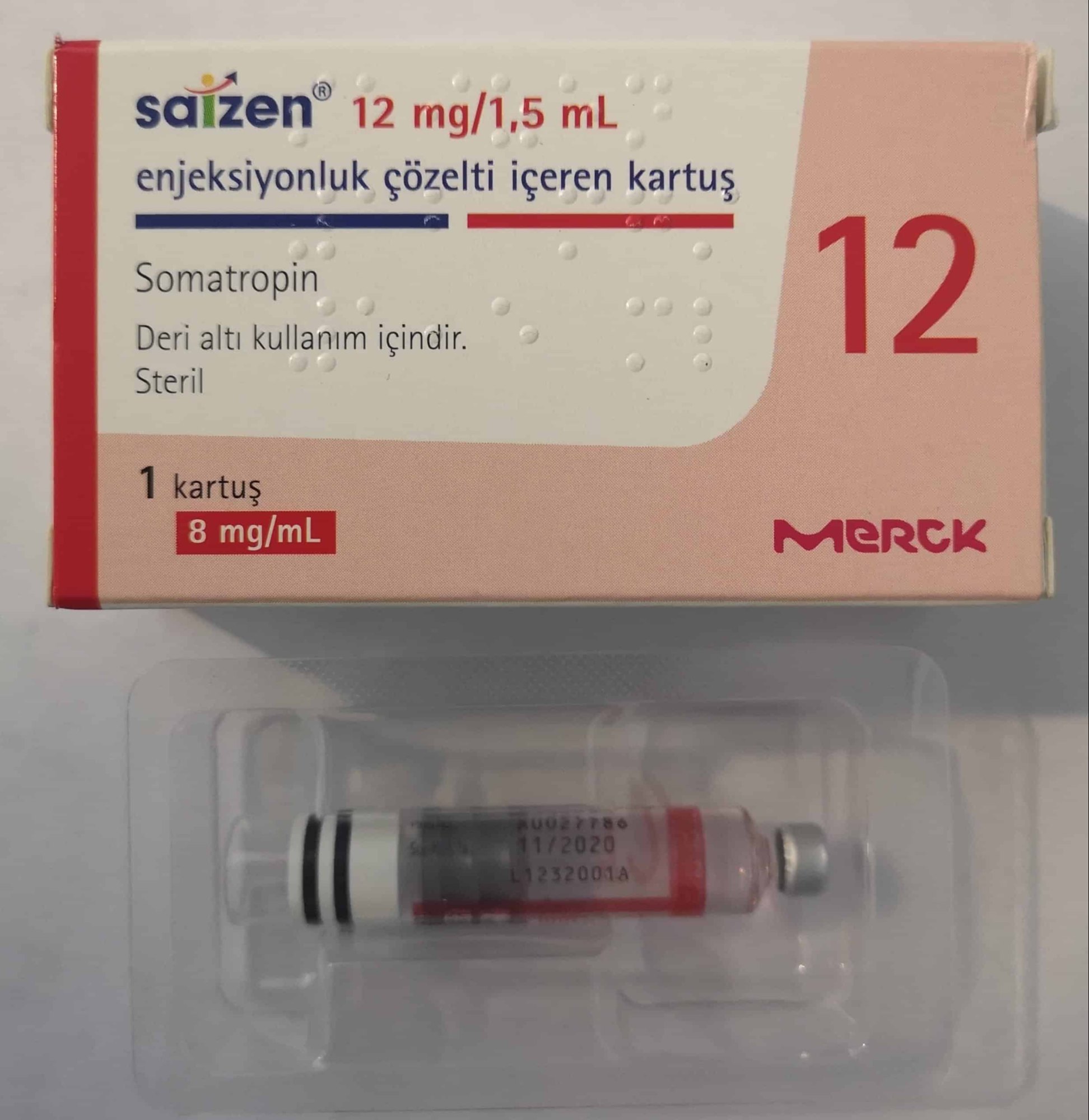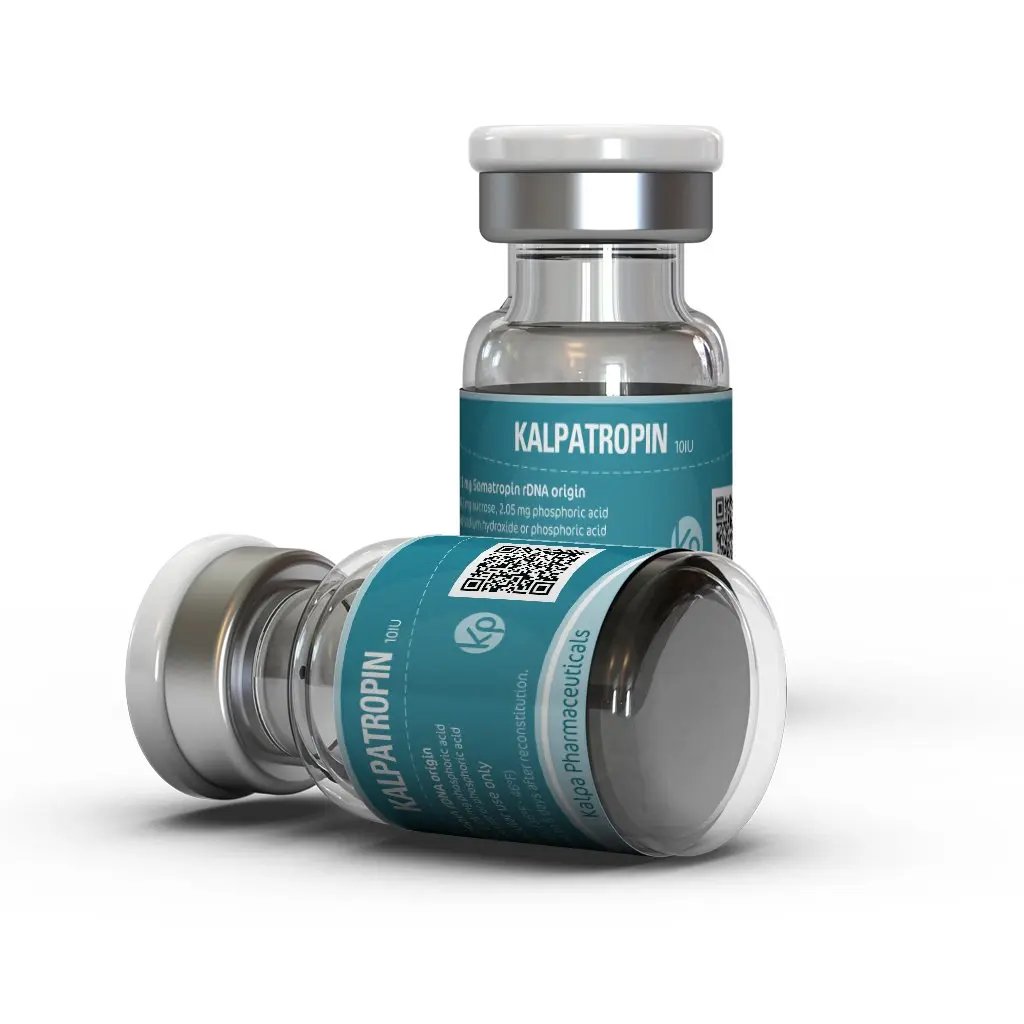
Kalpatropin HGH 100 IU
$275.00
Kalpatropin HGH 100 IU – Recombinant Human Growth Hormone for Research
Kalpa Pharmaceuticals Kalpatropin HGH 100 IU is a recombinant human growth hormone (somatropin) produced via advanced DNA technology, identical to the endogenous 191-amino acid polypeptide. Each kit contains 10 individually sealed 2 mL vials, each containing 10 IU of lyophilized somatropin, for a total of 100 IU per kit.
Kalpatropin HGH is designed for research applications involving growth hormone pathways, including studies on protein synthesis, lipolysis, cellular regeneration, and metabolic regulation. For researchers investigating anabolic processes or recovery mechanisms, this compound offers direct GH replacement. Explore similar research compounds like Tesamorelin 5 mg or Ipamorelin 5 mg.
What Makes Kalpa Pharmaceuticals Kalpatropin HGH Unique?
Unlike GH secretagogues that stimulate endogenous release, Kalpatropin HGH provides direct exogenous somatropin identical to the human form. This allows researchers to bypass upstream signaling pathways and study the direct effects of GH on target tissues. The 100 IU kit format provides flexibility for both acute and extended research protocols.
For performance-focused research, Kalpatropin HGH is often studied for its effects on lean body mass, recovery, and metabolic parameters. The 10 IU per vial format allows for precise dosing in multi-week research models. Researchers may also compare Kalpatropin HGH with Kalpatropin HGH 200 IU for larger-scale studies.
Benefits of Kalpa Pharmaceuticals Kalpatropin HGH for Research
- ✔ Recombinant somatropin identical to endogenous GH
- ✔ 1 kit with 10 vials for extended research protocols
- ✔ 10 IU per vial for precise reconstitution
- ✔ Suitable for subcutaneous administration research
- ✔ Direct GH replacement without secretagogue variability
Kalpa Pharmaceuticals Kalpatropin HGH 100 IU is intended for laboratory research only. Not for human consumption or clinical use.
External research on recombinant human growth hormone mechanisms can be explored via PubMed for peer-reviewed studies.