Medicines & Treatments

Melanotan 1 (10mg)
Melanotan 1 is a synthetic peptide similar to the endogenous alpha-melanocyte stimulating hormone (α-MSH).(1) Melanotan 1 comprises 13 amino acids, the same as α-MSH, but differs by only two amino acids from the endogenous peptide hormone. This structural difference is why researchers suggest the synthetic peptide may exert a higher affinity towards the target cells and boast a longer half-life. According to research, the two notable modifications include the substitution of methionine and L-phenylalanine at the fourth and seventh positions with norleucine and D-phenylalanine, respectively.(1) Overview Melanotan 1 appears to mimic the function of the endogenous α-MSH and may bind to the melanocortin receptors to stimulate the production of eumelanin, a photoprotective compound. This eumelanin may protect tissues from any damage induced by UV exposure.(1) Moreover, eumelanin production also reportedly contributes to increasing levels of pigmentation in skin cells. Chemical Makeup Molecular Formula: C78H111N21O19 Molecular Weight: 1646.87 g/mol Other Known Titles: MT1; afamelanotide Research and Clinical Studies Melanotan 1 and The Melanocortin System Melanotan 1 is hypothesized to exert its actions by interacting with melanocortin receptors (MCRs), which are considered to be crucial signaling pathways in widespread biological processes. It is believed that five distinct melanocortin receptors exist, labeled melanocortin 1 receptors (MC1Rs) through melanocortin 5 receptors (MC5Rs), each associated with specific potential roles:(2,3) MC1R: This receptor is thought to reside in melanocytes - a kind of skin cell that may influence skin and hair pigmentation, potentially by promoting melanin synthesis. MC2R: Reportedly located in the adrenal cortex, it is suggested that this receptor may play a role in the production of cortisol. MC3R: Found in various tissues, including the brain and placenta, MC3R has been implicated in regulating appetite and maintaining energy homeostasis. MC4R: Believed to be situated in the central nervous system, particularly within the hypothalamus, it is speculated that MC4R may have an impact on sexual behavior, erectile function, and the balance of energy within the organism. MC5R: While it appears to be expressed across multiple tissues, the precise physiological function of MC5R remains somewhat elusive, though it is speculated to play a role in exocrine processes. Researchers have suggested that Melanotan 1 may exhibit a particular specificity towards MC1R, ostensibly enhancing melanin production, which, in turn, is thought to result in a tanned appearance of the skin tissues. Notably, the peptide is believed to possess a greater affinity for MC1R over α-MSH, suggesting that it might increase melanin production, thereby promoting skin pigmentation even in the absence of sunlight exposure.(4) More specifically, researchers posit that “when Melanotan I activates MC1R, cAMP is produced, and it activates microphthalmia transcription factor (MITF) expression, which induces the expression of enzymes for eumelanin production.” These proposed interactions underscore the complexity of Melanotan 1's mode of action and highlight the need for further investigative research to fully understand its mechanisms and potential implications in certain biological processes. Melanotan 1 and The Melanocortin Type 1 Receptors Melanocortin 1 Receptor (MC1R) is a Gs protein-coupled receptor found on melanocytes.(5) Its activation is considered potentially integral for regulating skin tissue pigmentation and UV resistance by activating adenylyl cyclase and the subsequent generation of cyclic adenosine monophosphate (cAMP). The cAMP signaling pathway potentially enhances melanin production and deposition, which serves as a natural defense against UV penetration and facilitates nucleotide excision repair (NER), a crucial process for potentially removing UV-induced DNA lesions and averting mutagenesis. Researchers posit that the receptor's activation and signaling are modulated by various ligands, including the positive agonist Melanotan 1, which might increase cAMP levels to promote melanogenesis and enhance DNA repair capabilities. This suggests Melanotan 1 may enhance the skin's natural defense mechanisms against UV damage and possibly reduce the risk of skin cell mutagenesis. However, it is also crucial to consider the receptor's polymorphism and how loss-of-function variants are associated with unpigmented skin, UV sensitivity, and a heightened skin tissue damage risk due to impaired melanization and suboptimal DNA repair mechanisms. Furthermore, MC1R's role may extend beyond pigmentation to include potential actions on anti-inflammatory signaling and the genomic stability of melanocytes, underlining the receptor's multifaceted potential in skin function and disease prevention. The potential interplay between MC1R signaling, melanin production, and NER efficiency underscores the potential for targeted research to bolster UV protection. Yet, the potential of such approaches may be contingent upon individual variations in MC1R function and expression, highlighting the need for further research to fully understand and leverage MC1R's protective mechanisms in skin cells.(5) Melanotan 1 and Inflammation Studies suggest that α-MSH and its analogs, such as Melanotan 1, may exert potential anti-inflammatory action. Researchers have exposed murine models to α-MSH analogs to evaluate the impact of the peptide on tissue inflammation in cases of liver fibrosis through various biomolecular techniques.(6) The study suggested that peptide analogs may reverse the established liver fibrosis and may also mitigate the upregulation of fibrogenic and proinflammatory gene expressions triggered by fibrosis induction. This suggests that analogs may potentially influence the fibrotic process by modulating the expressions of genes involved in fibrogenesis and inflammation. One possible mechanism of action for such potentially protective actions against liver fibrosis may be the modulation of matrix metalloproteinase (MMP) activity and the apparent inactivation of tissue inhibitors of matrix metalloproteinase (TIMP). MMPs are considered to play a crucial role in the degradation of the extracellular matrix, and their activity is posited to be intricately balanced with TIMPs. Researchers have observed that peptide analogs may significantly increase MMP activity while attenuating the activation of α-smooth muscle actin (α-SMA) and cyclooxygenase-2 (COX-2), markers associated with inflammation and fibrogenesis. Furthermore, α-MSH analogs like Melanotan 1 appear to downregulate the mRNA expressions of liver transforming growth factor β1 (TGF-β1), collagen α1, and various cell adhesion molecules, which are posited to be key players in the progression of fibrosis. It is also noteworthy that analogs may have a role in suppressing the expression of COX-2 and cell adhesion molecules, suggesting a potential anti-inflammatory pathway through which Melanotan 1 and similar compounds may exert anti-fibrogenic actions.(6) Melanotan 1 Peptide and Erythropoietic Porphyria Three clinical trials(6) were conducted to examine Melanotan's action on erythropoietic porphyria. In each of the three trials, research models were divided into an experimental and control group: the experimental group was exposed to the peptide, and the control group was exposed to a placebo. This exposure was routinely conducted every two months, and results were monitored for 180 days. The researchers documented the number of hours the research models were exposed to direct sunlight and pain perception during the UV exposure. The outcome of this study was that the experimental peptide group appeared to be able to spend more time in sunlight with little to no pain (approximately 64 hours) compared to the control group, who were exposed to a placebo (approximately 40 hours). Melanotan 1 and UV Radiation The main aim of this study was to understand the peptide's mechanism of action when introduced in combination with UV-B light or sunlight. The study was divided into three phase 1 clinical trials. In the first study, 50% of the cohort were presented with the peptide, and 50% were presented with a placebo for 10 days. In the second study, 58% were exposed to UV irradiation, and 42% were exposed to UV radiation. The final study was conducted in a 50/50 split, where 50% were exposed to the peptide and 50% to a placebo. Following sunlight exposure, the results were analyzed. Researchers reported that the results across all three trials indicated that the peptide may have a positive correlation with exposure and melanin production, as observed on a cellular level and in the relative tanning gradation. Melanotan 1 peptide is available for research and laboratory purposes only. Please review and adhere to our Terms and Conditions before ordering. References: PubChem [Internet]. Bethesda (MD): National Library of Medicine (US), National Center for Biotechnology Information; 2004-. PubChem Compound Summary for CID 16154396, Scenesse; [cited 2024 Apr. 2]. Available from: https://pubchem.ncbi.nlm.nih.gov/compound/Scenesse Cai, M., & Hruby, V. J. (2016). The Melanocortin Receptor System: A Target for Multiple Degenerative Diseases. Current protein & peptide science, 17(5), 488–496. https://doi.org/10.2174/1389203717666160226145330 Ji, L. Q., Hong, Y., & Tao, Y. X. (2022). Melanocortin-5 Receptor: Pharmacology and Its Regulation of Energy Metabolism. International journal of molecular sciences, 23(15), 8727. https://doi.org/10.3390/ijms23158727 Mun, Y., Kim, W., & Shin, D. (2023). Melanocortin 1 Receptor (MC1R): Pharmacological and Therapeutic Aspects. International journal of molecular sciences, 24(15), 12152. https://doi.org/10.3390/ijms241512152 Wolf Horrell EM, Boulanger MC, D'Orazio JA. Melanocortin 1 Receptor: Structure, Function, and Regulation. Front Genet. 2016 May 31;7:95. doi: 10.3389/fgene.2016.00095. PMID: 27303435; PMCID: PMC4885833. Lee TH, Jawan B, Chou WY, Lu CN, Wu CL, Kuo HM, Concejero AM, Wang CH. Alpha-melanocyte-stimulating hormone gene therapy reverses carbon tetrachloride induced liver fibrosis in mice. J Gene Med. 2006 Jun;8(6):764-72. doi: 10.1002/jgm.899. PMID: 16508911. Dorr RT, Ertl G, Levine N, Brooks C, Bangert JL, Powell MB, Humphrey S, Alberts DS. Effects of a superpotent melanotropic peptide in combination with solar UV radiation on tanning of the skin in human volunteers. Arch Dermatol. 2004 Jul. https://pubmed.ncbi.nlm.nih.gov/15262693/ Dr. MarinovDr. Marinov (MD, Ph.D.) is a researcher and chief assistant professor in Preventative Medicine & Public Health. Prior to his professorship, Dr. Marinov practiced preventative, evidence-based medicine with an emphasis on Nutrition and Dietetics. He is widely published in international peer-reviewed scientific journals and specializes in peptide therapy research.

GHK Basic (Tripeptide-1) (200mg)
GHK Basic is a tripeptide composed of glycine, histidine, and lysine amino acids. It is a naturally occurring tripeptide in plasma, urine, saliva, and other fluids. GHK is produced by various cells, including fibroblasts, lymphocytes, and macrophages. It is also found in high concentrations in platelets and certain tissues, such as the liver and brain. GHK appears to have a high affinity to copper and may regulate numerous biological processes, including wound healing, tissue repair, and immune response. GHK also has been suggested to have a role in regulating ion channels, enzymes, receptors, and gene expression. The levels of GHK appear to fluctuate over the course of cell lifespan, and it has been suggested that these changes contribute to cell aging. This may result in impaired tissue repair and regeneration and a decline in immune function. GHK may stimulate collagen production and play a role in wound healing and skin cell function. GHK may also have antioxidant and anti-inflammatory characteristics. Chemical Makeup Molecular formula: C14H24N6O4 Molecular weight: 340.4 g/mol Other known titles: Glycyl-L-histidyl-L-lysine, Tripeptide 1, NSC 379527, Copper peptide Research and Clinical Studies GHK Basic Peptide and Wound Healing GHK has been primarily studied for its potential in wound healing. One clinical study evaluated GHK (its copper-bound version) in research models of diabetic neuropathic ulcers.(1) The models were subjected to a wound care protocol, and GHK was reported to increase ulcer closure compared to the vehicle. Larger plantar ulcers had a more pronounced enhancement of closure, with the incidence of ulcer infections reportedly lower in the GHK group. The scientists highlighted that the “incidence of ulcer infections was significantly lower (7% incidence compared with 34% for vehicle, p < 0.05) in the plantar ulcers treated immediately after debridement.” Animal studies also suggest the potential of GHK in rapid wound healing. A study compared the actions of GHK on wound healing with control (not exposed to GHK) wounds in rabbits.(2) The wounds were evaluated daily, and planimetry was performed on days 7, 14, 21, and 28 to measure the unhealed wound area and the percentage of total wound healing. Results indicated that the GHK group exhibited greater neutrophil and vessel counts than the control group. The research team proposed that the peptide in question might potentially accelerate the recovery of wounds and the development of granular tissue, which refers to the new connective tissue and microscopic blood vessels that form on the surfaces of a wound during the recovery process. It is hypothesized that this action might be associated with increased activity of antioxidant enzymes—proteins that help protect cells from damage due to oxidative stress. Additionally, there might be an improvement in vascular development, meaning the formation and growth of new blood vessels within the wound, which is deemed crucial for delivering nutrients and oxygen that support tissue repair. Another study also aimed to evaluate the actions of GHK on the recovery of ischemic open wounds in rats.(3) The GHK group appeared to exhibit a significant decrease in wound area compared to the control group. Wounds exposed to GHK were reported to contain lower concentrations of the pro-inflammatory markers, including tumor necrosis factor-alpha (TNF-alpha), matrix metalloproteinase-2 (MMP-2), and matrix metalloproteinase-9 (MMP-9). Each of these markers plays a role in the inflammatory response and tissue remodeling, indicating that GHK may mitigate inflammation and tissue degradation in ischemic wound environments. In subsequent studies using typical murine models and those modified to simulate diabetic conditions, dressings made of collagen and enriched with GHK appeared to enhance the recuperation of wounds. The data indicates that by the end of the third week, wounds addressed with films containing biotinylated GHK approached near-total closure at 99.39%, which may represent a notable improvement over the 69.49% closure rate seen with control films. Moreover, these GHK-exposed wounds appeared to have exhibited higher concentrations of glutathione and ascorbic acid. These molecules are important antioxidants that may contribute to tissue repair. There was also a possible increase in epithelialization, which is the process of renewing the outer layer of the skin tissue in experimental models. Additionally, there may have been a stimulation of collagen production, which is vital for the skin's structural integrity, enhanced activity of fibroblasts—cells crucial for wound recovery —and an increase in mast cell activation, which plays a role in the inflammatory responses. GHK Basic Peptide and Skin Cells GHK may exhibit implications within the development of creasing and wrinkling along the stratum corneum of the skin barrier by potentially influencing the upregulation of collagen production.(5) It has been hypothesized that the underlying mechanisms for this observed phenomena may involve the presence of the tripeptide sequence Gly-His-Lys as a fragment typically released during the hydrolysis process of collagen. Hydrolysis of collagen, which occurs when collagen fibers are broken down, often results from tissue damage or degradation. Scientists have posited that "the presence of a GHK triplet in the alpha 2(I) chain of type I collagen suggests that the tripeptide might be liberated by proteases at the site of a wound and exert in situ healing." These peptide fragments might play a role in cellular signaling, particularly influencing fibroblasts, which are cells deemed critical for synthesizing new collagen fibers. This signaling is essential as it appears to trigger the fibroblasts to begin synthesizing collagen, thus contributing to tissue repair and regeneration. GHK may also stimulate elastin and glycosaminoglycans. Elastin is another vital protein contributing to the skin's elastic properties, while glycosaminoglycans are long polysaccharide molecules that play a role in maintaining and supporting the extracellular matrix. Together, these components are considered essential for maintaining the skin's structural integrity and functional characteristics. Another clinical study reported that GHK appeared to improve collagen production and stimulated dermal keratinocyte proliferation under specific research conditions.(6) The studies also reported an apparent increase in skin thickness, improved skin hydration, and smoothing by stimulating collagen synthesis, skin elasticity, and increased production of type 1 collagen. A further clinical study evaluated the efficacy of GHK for managing CO2 laser-resurfaced skin - a procedure that removes the epidermis and heats the derma.(7) A cohort of 13 models were randomly assigned to receive either post-procedure skin regimens with or without GHK. While there was no statistically significant difference in erythema resolution, both groups were reported to experience improvement in wrinkles and overall skin quality. Furthermore, models exposed to the GHK substance reported higher satisfaction with post-exposure improvement in overall skin quality than those without. GHK Basic Peptide and Inflammation, Oxidative Stress GHK may have antioxidant and anti-inflammatory potential that protect cells from damage caused by active radicals and lipid peroxidation. Studies report that the peptide may inactivate damaging free radicals that are by-products of lipid peroxidation and UV-light exposure.(8) The specific radicals reported by the researchers included 4-hydroxynoneal, acrolein, malondialdehyde, and others. Furthermore, GHK may completely block the oxidation of low-density lipoproteins. Additionally, GHK was suggested to have potential action in reducing iron release from ferritin, a lipid peroxidation catalyst. Researchers report that GHK may reduce the formation of iron complexes in damaged tissues and thus reduce inflammation.(9) The study suggested that GHK acts by binding to the channels of ferritin involved in the iron release and may physically reduce the release of -Fe by a reported 87%, which may prevent inflammation and oxidation in damaged tissues. The anti-inflammatory potential of GHK may also extend to organs such as the lungs. One animal model study investigated the actions of GHK on lipopolysaccharide-induced lung inflammation in mice.(10) The study suggested that GHK may reduce the production of reactive oxygen species and inflammatory cytokines while increasing the activity of antioxidant enzymes. It also may suppress the activation of NF-κB and p38 MAPK signaling pathways, decreasing TNF-1 and IL-6 production. Furthermore, the researchers reported that GHK appeared to attenuate lung histological alterations and reduce inflammatory damage in the lungs of mice with lung damage. The scientists reported that the peptide “suppressed the infiltration of inflammatory cells into the lung parenchyma in LPS-induced ALI in mice.” GHK may also help reduce the oxidative stress caused by smoking. Scientists reported that GHK appeared to inhibit oxidative stress in alveolar epithelial cells by upregulating Nrf2 expression.(11) A study investigated the potential of GHK to reduce levels of reactive oxygen species in cell cultures.(12) The researchers suggested that the GHK action on the signal of hydroxyl radicals may be stronger than those of other antioxidative, endogenous peptides, such as carnosine and reduced glutathione. GHK Basic peptide is available for research and laboratory purposes only. Please review and adhere to our Terms and Conditions before ordering. References: Mulder, G. D., Patt, L. M., Sanders, L., Rosenstock, J., Altman, M. I., Hanley, M. E., & Duncan, G. W. (1994). Enhanced healing of ulcers in patients with diabetes by treatment with glycyl-l-histidyl-l-lysine copper. Wound repair and regeneration : official publication of the Wound Healing Society [and] the European Tissue Repair Society, 2(4), 259–269. https://doi.org/10.1046/j.1524-475X.1994.20406.x Gul, N. Y., Topal, A., Cangul, I. T., & Yanik, K. (2008). The effects of tripeptide copper complex and helium-neon laser on wound healing in rabbits. Veterinary dermatology, 19(1), 7–14. https://doi.org/10.1111/j.1365-3164.2007.00647.x Canapp, S. O., Jr, Farese, J. P., Schultz, G. S., Gowda, S., Ishak, A. M., Swaim, S. F., Vangilder, J., Lee-Ambrose, L., & Martin, F. G. (2003). The effect of tripeptide-copper complex on healing of ischemic open wounds. Veterinary surgery : VS, 32(6), 515–523. https://doi.org/10.1111/j.1532-950x.2003.00515.x Alven, S., Peter, S., Mbese, Z., & Aderibigbe, B. A. (2022). Polymer-Based Wound Dressing Materials Loaded with Bioactive Agents: Potential Materials for the Treatment of Diabetic Wounds. Polymers, 14(4), 724. https://doi.org/10.3390/polym14040724 Maquart, F. X., Pickart, L., Laurent, M., Gillery, P., Monboisse, J. C., & Borel, J. P. (1988). Stimulation of collagen synthesis in fibroblast cultures by the tripeptide-copper complex glycyl-L-histidyl-L-lysine-Cu2+. FEBS letters, 238(2), 343–346. https://doi.org/10.1016/0014-5793(88)80509-x Abdulghani, A. A., Sherr, A., Shirin, S., Solodkina, G., Tapia, E. M., Wolf, B., & Gottlieb, A. B. (1998). Effects of creams containing vitamin C, a copper-binding peptide cream and melatonin compared with tretinoin on the ultrastructure of normal skin-A pilot clinical, histologic, and ultrastructural study. Disease Management and Clinical Outcomes, 4(1), 136-141. Miller, T. R., Wagner, J. D., Baack, B. R., & Eisbach, K. J. (2006). Effects of copper tripeptide complex on CO2 laser-resurfaced skin. Archives of facial plastic surgery, 8(4), 252–259. https://doi.org/10.1001/archfaci.8.4.252 Cebrián, J., Messeguer, A., Facino, R. M., & García Antón, J. M. (2005). New anti-RNS and -RCS products for cosmetic treatment. International journal of cosmetic science, 27(5), 271–278. https://doi.org/10.1111/j.1467-2494.2005.00279.x Miller, D. M., DeSilva, D., Pickart, L., & Aust, S. D. (1990). Effects of glycyl-histidyl-lysyl chelated Cu(II) on ferritin dependent lipid peroxidation. Advances in experimental medicine and biology, 264, 79–84. https://doi.org/10.1007/978-1-4684-5730-8_11 Park, J. R., Lee, H., Kim, S. I., & Yang, S. R. (2016). The tri-peptide GHK-Cu complex ameliorates lipopolysaccharide-induced acute lung injury in mice. Oncotarget, 7(36), 58405–58417. https://doi.org/10.18632/oncotarget.11168 Zhang, Q., Yan, L., Lu, J., & Zhou, X. (2022). Glycyl-L-histidyl-L-lysine-Cu2+ attenuates cigarette smoke-induced pulmonary emphysema and inflammation by reducing oxidative stress pathway. Frontiers in molecular biosciences, 9, 925700. https://doi.org/10.3389/fmolb.2022.925700 Sakuma, S., Ishimura, M., Yuba, Y., Itoh, Y., & Fujimoto, Y. (2018). The peptide glycyl-ʟ-histidyl-ʟ-lysine is an endogenous antioxidant in living organisms, possibly by diminishing hydroxyl and peroxyl radicals. International journal of physiology, pathophysiology and pharmacology, 10(3), 132–138. Dr. MarinovDr. Marinov (MD, Ph.D.) is a researcher and chief assistant professor in Preventative Medicine & Public Health. Prior to his professorship, Dr. Marinov practiced preventative, evidence-based medicine with an emphasis on Nutrition and Dietetics. He is widely published in international peer-reviewed scientific journals and specializes in peptide therapy research.
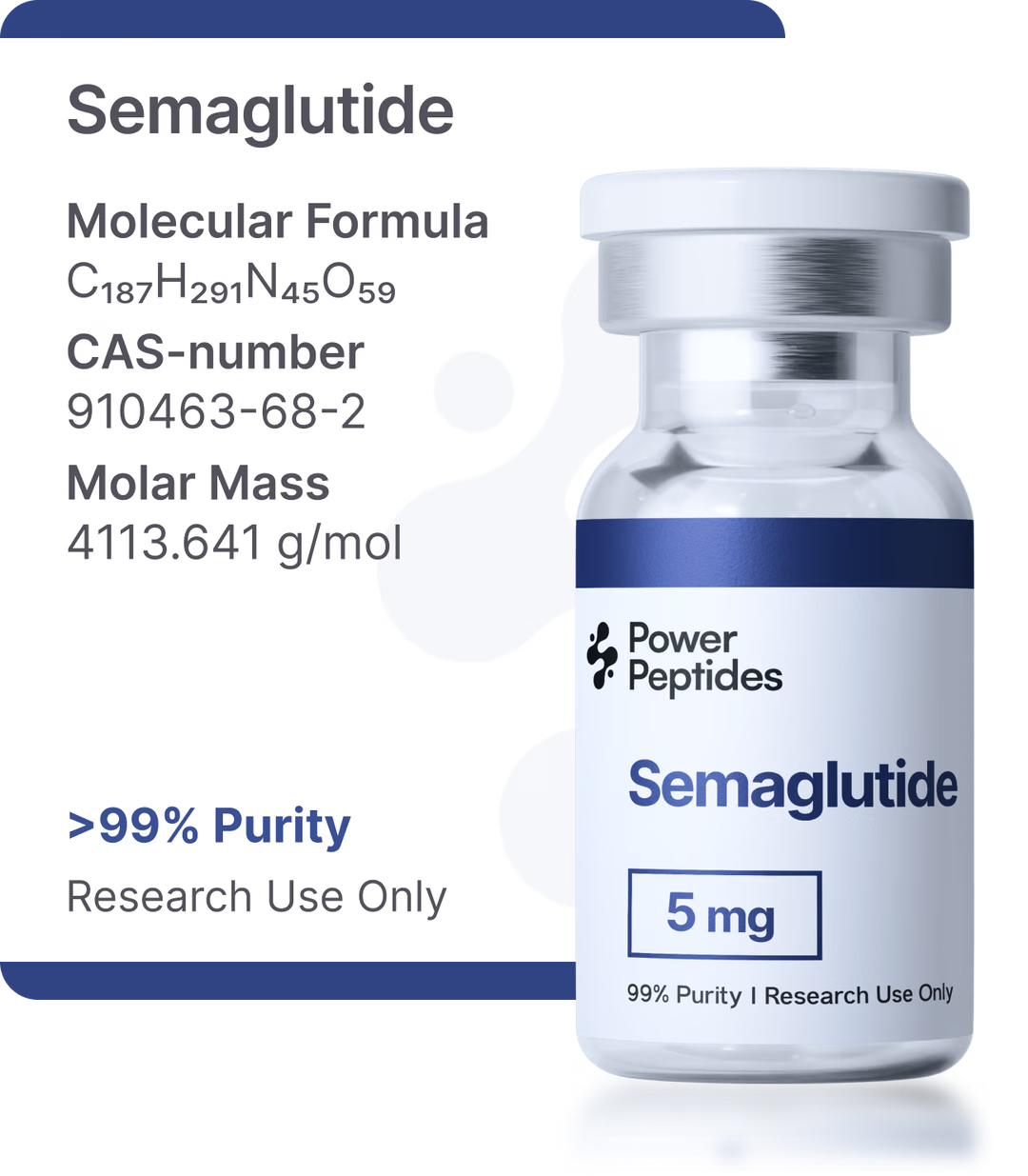
Semaglutide
Description Molecular Formula C187H291N45O59 CAS Number 910463-68-2 Molar Mass 4113.641 g/mol Amino Acid Sequence His-Aib-Glu-Gly-Thr-Phe-Thr-Ser-Asp-Val-Ser-Ser-Tyr-Leu-Glu-Gly-Gln-Ala-Ala-Lys-Glu-Phe-Ile-Ala-Trp-Leu-Val-Arg-Gly-Arg-Gly-COOH Synonyms Semaglutide, Ozempic, Wegovy, NN9535, NN9934, GLP1, GLP-1 Solubility Water-soluble Organoleptic Profile White to off-white powder Composition Lyophilized powder – requires reconstitution

Ipamorelin
Description Molecular Formula C38H49N9O5 CAS-number 170851-70-4 Molar Mass 711.86 g/mol Chemical Formula H-Aib-His-D-2-Nal-D-Phe-Lys-NH2 Amino Acid Sequence Aib-His-D-2-Nal-D-Phe-Lys Synonyms NNC 26-0161, Ipamorelin acetate Solubility Water-soluble Organoleptic Profile White to off-white powder Composition Lyophilized powder – requires reconstitution

CINNATROPIN HGH 10 MG/1.5 ML CINNAGEN IRAN
Description What is Cinnatropin? Cinnatropin is a recombinant human growth hormone (HGH) manufactured by CinnaGen, a leading biotech company based in Iran. This injectable somatropin solution is designed for the treatment of growth hormone deficiency (GHD) and is widely used in both medical and performance-enhancement settings. Each vial contains 10 mg (30 IU) of HGH in 1.5 ml of ready-to-use injectable solution, making it one of the most convenient and precise dosing options on the market. Why Buy Cinnatropin HGH? Ready-to-use Liquid Form – No Mixing Required Pharmaceutical-Grade Somatropin Clinically Approved and Trusted in Endocrinology Ideal for Medical Use, Bodybuilding & Anti-Aging Discreet Worldwide Shipping Available How Cinnatropin Works Cinnatropin contains biosynthetic somatropin, a lab-created hormone identical to the HGH produced naturally in the body. It activates the growth hormone receptors, stimulating: Cellular regeneration and tissue repair Lean muscle growth Cognitive and emotional stability Fat metabolism and energy production Bone density and skeletal growth It’s commonly prescribed for children with GHD, adults with HGH deficiency, and individuals seeking body recomposition or rejuvenation. Key Features of Cinnatropin 10 mg/1.5 ml Liquid form (No need for reconstitution) 30 IU per vial High purity somatropin Refrigerated storage (2°C – 8°C) Labeled in English & Farsi for verification This pre-mixed solution offers greater convenience, accuracy, and stability compared to lyophilized powders. Recommended Dosage Dosage varies based on individual goals and medical diagnosis: Purpose Dosage Range Anti-aging 1–2 IU/day Fat loss 2–4 IU/day Muscle gain 4–6 IU/day GHD treatment As prescribed by endocrinologist Benefits of Cinnatropin HGH Enhanced Muscle Mass & Performance Accelerated Fat Loss Slowed Aging & Cellular Repair Improved Mood & Mental Clarity Better Sleep & Recovery With its liquid formula, Cinnatropin provides fast absorption and smooth delivery, making it a preferred choice among HGH users in clinical and athletic settings. Side Effects & Precautions Though generally safe under proper use, possible side effects may include: Water retention Joint stiffness Mild headaches Insulin resistance (rare) Always follow medical guidance and monitor for any side effects during treatment. Where to Buy Cinnatropin HGH 10 mg/1.5 ml Online? Looking for genuine CinnaGen HGH? You can buy Cinnatropin online from reputable providers who guarantee: Verified, pharmacy-grade Cinnatropin from Iran Discreet, worldwide shipping Secure packaging and batch authenticity Final Thoughts Cinnatropin 10 mg/1.5 ml by CinnaGen Iran offers a powerful, easy-to-administer HGH solution trusted by thousands worldwide. Whether you’re seeking clinical hormone replacement, performance enhancement, or anti-aging therapy, this ready-to-inject somatropin delivers results with safety and precision.
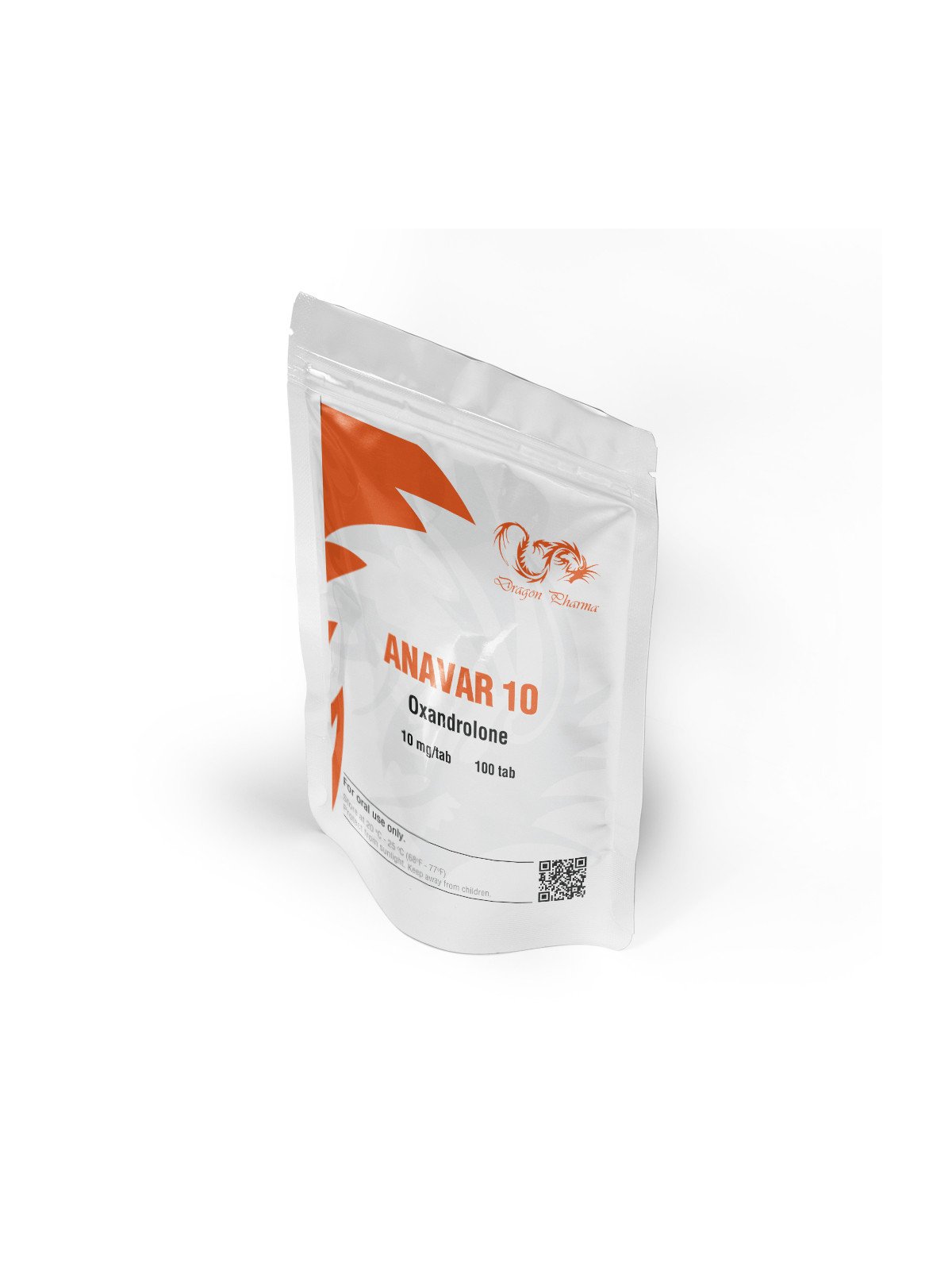
Anavar 10
Description Buy Anavar 10 online from trusted sources. Learn about Anavar 10 benefits, dosage recommendations, cutting cycle tips, and where to safely purchase this mild oral steroid. What is Anavar 10? Anavar 10, containing Oxandrolone 10 mg, is a popular mild oral anabolic steroid prized for its ability to promote lean muscle gains and enhance fat loss. Its low androgenic activity makes it suitable for both men and women looking to improve muscle definition without harsh side effects. Anavar 10 is often favored during cutting phases to help athletes achieve a hard, toned physique. Benefits of Anavar 10 Lean Muscle Preservation: Helps maintain muscle mass during calorie restriction. Enhanced Fat Burning: Supports metabolic rate for effective fat loss. Increased Strength: Improves workout performance and endurance. Minimal Water Retention: Results in a dry, hard appearance. Low Risk of Side Effects: Gentler on the liver and androgenic system compared to many steroids. This makes Anavar 10 a top choice for beginners and those sensitive to stronger steroids. Anavar 10 Dosage & Cycle Guide Typical Dosage: 10–30 mg per day Cycle Length: 6–8 weeks Administration: Oral tablets taken daily Popular stacking options: Anavar 10 + Winstrol for enhanced cutting and muscle hardness Anavar 10 + Testosterone Propionate for lean mass and strength Post Cycle Therapy (PCT) is recommended after cycles to restore natural hormone levels. Possible Side Effects of Anavar 10 Mild liver stress (monitor liver health during use) Testosterone suppression requiring PCT after cycle Occasional acne or oily skin Rare hair thinning in predisposed individuals Generally well-tolerated with proper use Sticking to recommended dosages minimizes adverse effects. Buy Anavar 10 Online – Safe, Genuine & Discreet To buy Anavar 10 online, select reputable suppliers offering: Pharmaceutical-grade Oxandrolone tablets Secure and confidential payment options Fast, discreet worldwide shipping Responsive customer service Order Anavar 10 now and achieve lean, toned muscles with this mild, effective steroid. Why Choose Anavar 10? Anavar 10 combines safety and effectiveness, making it ideal for those seeking fat loss, muscle retention, and increased strength without the harsh side effects of stronger steroids. Its mild profile and oral convenience have made it a bodybuilding favorite.

Reta
Description Molecular Formula C221H342N46O68 CAS Number 2381089-83-2 Molar Mass 4191.7 g/mol Amino Acid Sequence His-Gly-Glu-Gly-Thr-Phe-Thr-Ser-Asp-Val-Ser-Ser-Tyr-Leu-Glu-Gly-Gln-Ala-Ala-Lys-Glu-Phe-Ile-Ala-Trp-Leu-Val-Lys-Gly-Arg Synonyms Reta acetate, LY3437943, GLP-1 receptor agonist Solubility Water-soluble Organoleptic Profile White to off-white powder Composition Lyophilized powder – requires reconstitution
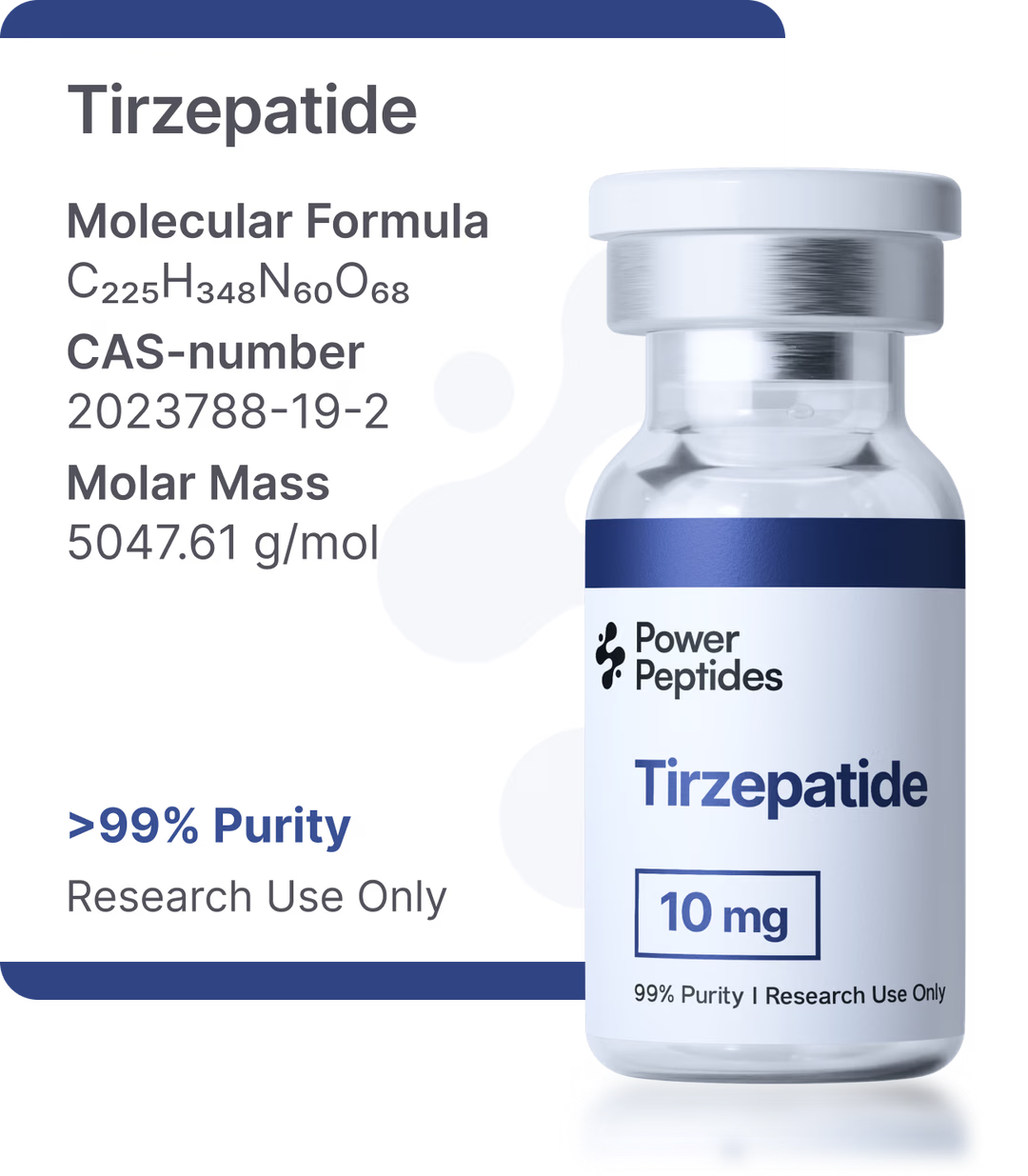
Tirzepatide
Description Molecular Formula C225H348N60O68 CAS Number 2023788-19-2 Molar Mass 5047.61 g/mol Amino Acid Sequence His-Gly-Glu-Gly-Thr-Phe-Thr-Ser-Asp-Val-Ser-Ser-Tyr-Leu-Glu-Gly-Gln-Ala-Ala-Lys-Glu-Phe-Ile-Ala-Trp-Leu-Val-Lys-Gly-Arg-Gly Synonyms LY3298176 Solubility Water-soluble Organoleptic Profile White to off-white powder Composition Lyophilized powder – requires reconstitution

Testosterone Propionate
Description Buy Testosterone Propionate (Testosterone P) online today. Learn about its fast-acting effects, dosage guide, benefits for athletes, and where to order safely and discreetly. What is Testosterone Propionate? Testosterone Propionate, often referred to as Testosterone P, is a fast-acting injectable testosterone ester. Unlike longer esters like Testosterone Cypionate or Enanthate, Testosterone P kicks in quickly and leaves the system faster, making it ideal for short cycles or athletes seeking precise hormone control. Initially developed for medical use in testosterone replacement therapy (TRT), it’s now a top choice among bodybuilders and performance athletes for its fast onset of action and rapid results. Top Benefits of Testosterone P Rapid Muscle Growth: Helps kickstart bulking cycles with fast lean mass gains. Increased Strength: Noticeable performance enhancement in just days. Quick Hormonal Response: Ideal for short or fast-acting steroid cycles. Improved Libido & Mood: Balances testosterone quickly in users with low T. More Control: Easier to manage side effects due to its short half-life. Testosterone P Dosage & Cycle Information Because of its short half-life (~48 hours), Testosterone P requires frequent injections — usually every other day. Beginner dosage: 100 mg every other day Intermediate users: 300–500 mg per week, split into EOD (every other day) injections Cycle length: 6–8 weeks It’s often used at the start of a cycle to quickly raise testosterone levels while longer esters build up. Commonly stacked with Trenbolone Acetate, Winstrol, or Masteron for cutting cycles. Possible Side Effects of Testosterone Propionate Although generally well-tolerated, Testosterone P can cause: Pain or swelling at the injection site (more common with propionate) Water retention Gynecomastia Acne and oily skin Aggression or mood changes These can be managed with proper AIs (Aromatase Inhibitors) and careful dosing. Buy Testosterone Propionate Online – Trusted, Fast & Secure Ready to start your cycle? When you buy Testosterone Propionate online, make sure your supplier offers: Pharmaceutical-grade testosterone Secure checkout and discreet packaging Worldwide shipping Order tracking and reshipment guarantees Order Testosterone P now from a verified source and experience rapid, controlled testosterone enhancement. Why Choose Testosterone Propionate? If you’re looking for a testosterone ester that offers fast performance results, more precise hormonal control, and shorter cycles, Testosterone Propionate is your go-to compound. Perfect for both cutting and lean bulking phases, it’s trusted by athletes, bodybuilders, and TRT patients for its effectiveness and flexibility.