Medicines & Treatments
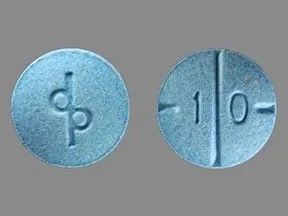
Generic Adderall 10 mg
Attention Deficit Hyperactivity Disorder also known as ADHD in short occurs in both adults and children. Due to this, people can’t be attentive in any work and control their impulsive behaviors. Adderall 10 mg is a prescription-only medicine that is used to treat this disorder and also treat sleeping problems in patients. It comprises two stimulant drugs, amphetamine and dextroamphetamine. These two are the generic variants as well as active ingredients in the branded drug, Adderall. There are other medicines are available in which these two components are used. For example, Mydayis and Adderall XR. The FDA-approved medicine effectively works on the brain, so it is referred to as the Central Nervous System stimulant. It is a controlled substance of Schedule II. The drug comes in the form of an immediate-release tablet. This Adderall medicine can be recognized by its blue color, and round shape. There is a partial line segment on the tablet and is imprinted with ‘10’ and ‘AD’ on the alternative side of the medicine. The function of Adderall 10 mg Medication: There are certain chemicals, dopamine and norepinephrine, which are present in the central nervous system of the brain. These neurotransmitters act like chemical messengers which help in transmitting the signals from neurons to the other cells. Adderall 10 mg increases the concentration of the signaling molecules by preventing the reabsorption of monoamines like dopamine and norepinephrine. This is how it works to treat ADHD and narcolepsy in patients. Uses of Round Blue AD 10: Adderall medicine is useful for treating the following disorders. These are as follows:- 1) Attention Deficit Hyperactivity Disorder ADHD is a brain-related problem in which a person is unfocused, uncontrollable with emotions, and overly active. It can also occur in childhood and remains till adulthood. The medicine minimizes the symptoms of ADHD in the patients. 2) Sleeping Disorder Narcolepsy is a health condition in which a person has difficulty to remain awake for a long duration. Other Dose & Dosage Strength: The dose of Adderall is available in the form of an oral tablet. It has the following dosage strengths:- Adderall 5 mg Adderall 12.5 mg Adderall 15 mg Adderall 20 mg Adderall 30 mg 1) For ADHD Patients Children Between 3 and 5 Years: The minimum dose starts with 2.5 mg. It can be increased at regular intervals of time in a week till the desired effect is obtained. Patients (Above 6 years): The advised dose starts with a nominal dose of 5 mg. A patient can take it one or two times per day. The dose can be increased till a therapeutic response is achieved. The maximum dose is 40 mg. 2) For Narcolepsy Patients: Adult (6 to 12 Years):- The suggested dose is 5 mg and it can be consumed once a day. Adult (Above 12 Years):- A dose of 10 mg is the suggested dose which can be consumed on a regular basis. To get maximum benefit of the medicine, the dose can be increased. Side Effects 10 mg Adderall: Common Side Effects Headache Dry mouth Lack of appetite Nausea Abdominal cramps Mood swings Vomiting Stomach upset Nervousness Difficulty in sleeping Severe Side Effects Seizures Suicidal thoughts Fever Blurry vision Shivering Allergic reaction Hallucination Cardiovascular disorders Breathing problem Uncontrollable movements Behavioral changes Sweating Lack of coordination Blood circulation-related problems like numbness, coldness and change in skin color Confusion Note: A boxed warning issued by the FDA. The risk of abuse, physical and psychological dependency is very high. Precautions: Avoid drinking alcohol while taking the drug. Stop the medication if the salt composition of the medication causes an adverse allergic reaction. It may cause serious aftereffects like heart related disorder, high blood pressure and may even cause death in patients. Related
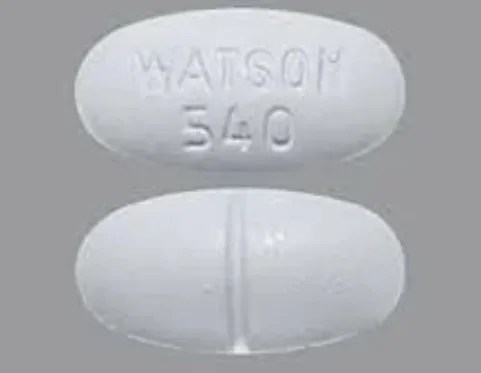
Hydrocodone 10-660mg
Hydrocodone 10/660mg – The Complete Medical Guide Hydrocodone 10/660mg is a high-dose opioid combination medication containing 10mg hydrocodone bitartrate (a Schedule II controlled opioid) and 660mg acetaminophen (APAP). This formulation represents one of the highest single-dose acetaminophen combinations available, creating unique clinical considerations for pain management and hepatotoxicity risk. Hydrocodone 10-660mg Hydrocodone 10/660mg is a prescription medication that combines hydrocodone (10mg), an opioid pain reliever, with acetaminophen (660mg), a non-opioid analgesic. This potent combination is used for managing moderate to severe pain, providing effective relief for conditions such as injury, surgery, or chronic pain. Hydrocodone works by altering the brain’s response to pain, while acetaminophen enhances its pain-relieving effects. Hydrocodone 10/660mg is typically prescribed for short-term use, but should be taken with caution due to the potential for dependence, misuse, and side effects. Medical Uses & Indications FDA-Approved Uses Moderate to severe acute pain (When lower-dose options fail) Short-term pain management (Post-surgical, major trauma) Cancer-related breakthrough pain (In opioid-tolerant patients) Key Clinical Features • Potency equivalence: 10mg hydrocodone ≈ 10mg oral morphine • Onset/Duration: Onset: 20-30 minutes Duration: 4-6 hours • APAP content: Exceeds standard 325mg formulations • DEA Classification: Schedule II (High abuse potential) Pharmacology & Effects Dual Mechanism of Action • Hydrocodone: μ-opioid receptor agonist (central pain modulation) • Acetaminophen: Central COX inhibition (peripheral/central pain pathways) Therapeutic Effects Effective analgesia within 30 minutes Synergistic pain relief Antipyretic effect Unique Risk Profile • Maximum daily APAP limitation: 3,000mg (≤4.5 tablets/day) • Hepatotoxicity potential: Exceeds standard formulations • Abuse potential: Enhanced by high opioid content Dosing & Administration Standard Dosing Protocol • Opioid-tolerant adults: 1 tablet q4-6h PRN • Strict daily limits: Hydrocodone: ≤40mg/day (4 tablets) APAP: ≤3,000mg/day (4.5 tablets) Conversion Guidelines From Equivalent Dose Oxycodone 7.5mg Hydrocodone 10mg Morphine 15mg PO Hydrocodone 10mg Tramadol 100mg Hydrocodone 5mg Critical Safety Considerations Absolute maximum: 4 doses/24 hours Contraindicated in hepatic impairment Requires baseline LFT monitoring Not for opioid-naïve patients Safety Profile Common Adverse Effects • Constipation (prophylactic management required) • Nausea/vomiting (30-40% incidence) • Dizziness/somnolence • Pruritus (25% patients) Black Box Warnings Acetaminophen hepatotoxicity Life-threatening respiratory depression Neonatal opioid withdrawal syndrome Medication errors risk (Due to high APAP content) Overdose Management Dual Toxicity Protocol Immediate naloxone administration (0.4-2mg IN/IM) Acetylcysteine infusion: Loading: 150mg/kg over 60min Maintenance: 50mg/kg over 4h Final: 100mg/kg over 16h Continuous respiratory monitoring Hepatic function serial assessment Risk Mitigation Strategies Prescribing Safeguards Quantity limits: ≤20 tablets per prescription PDMP review: Mandatory before prescribing Patient agreements: For chronic use cases Naloxone co-prescribing: Required in most states Patient Education Points • Never exceed 1 tablet per dose • Recognize hepatotoxicity signs (Jaundice, RUQ pain) • Avoid all alcohol • Proper storage/disposal Clinical Alternatives Non-APAP Options • Hydrocodone 10mg + ibuprofen • Oxycodone single-entity • Tapentadol immediate-release Non-Opioid Alternatives • Diclofenac sodium 50mg TID • Ketorolac limited course • Lidocaine 5% patches Special Population Considerations Population Dosing Adjustment Monitoring Elderly (≥65) 50% dose reduction Increased fall risk Hepatic impairment Contraindicated LFTs baseline + serial Renal (CrCl<30) Extended interval Renal function Pediatric Not recommended – Related
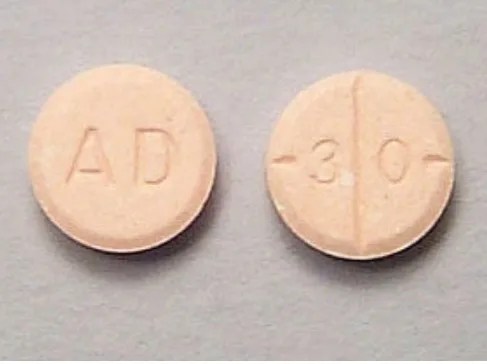
Adderall 30mg
Adderall 30mg – The Ultimate Guide to Uses, Dosage, Side Effects & Safety Adderall 30mg is a prescription stimulant containing a combination of amphetamine and dextroamphetamine. It’s primarily used to treat Attention Deficit Hyperactivity Disorder (ADHD) and narcolepsy. As one of the strongest available doses, Adderall 30mg provides enhanced focus, alertness, and cognitive performance but also carries significant risks if misused. Adderall is a sympathomimetic amine-based drug used to treat attention deficit hyperactivity disorder and narcolepsy. It is a psychostimulant central nervous system stimulant medicine. It maximizes the amount of dopamine and norepinephrine in the brain. It changes the materials in human brain and nerves so that it can control hyperactivity and impulses. Adderall is widely used nowadays to treat various cases of treatment-resistant depression and exogenous obesity. Amphetamines are non-catecholamine salts that perform the basic function of stimulating the central nervous system. The exact nature of the therapeutic effect in patients with attention deficit hyperactivity disorder (ADHD) is still not clear to us. Amphetamines are thought to prevent the reuptake of norepinephrine and dopamine in the presynaptic neuron and increase the release of these monoamines into the space between neurons. Adderall should be avoided if MAO inhibitors have been taken in recent days. Serious adverse effects may occur if Adderall is taken before the MAO inhibitor has been removed from the body. Adderall should not be taken if there is intolerance to amphetamine and dextroamphetamine, or if there is arteriosclerosis, heart problems, anxiety or high blood pressure, drug or alcohol dependence, mild to severe hypertension, hyperthyroidism, or glaucoma. Some of the stimulants have major side effects in children and adolescents, causing them to have severe heart disease or congenital heart defects even death. Regular use of Adderall for an extended period of time can cause stunted growth of a child. Improper use of the drug may lead to harmful effects on the heart or even death. One must immediately consult the doctor if a child shows unusual weights or stunted growth or any kind of other health problems. Medical Uses of Adderall 30mg Adderall 30mg works by increasing dopamine and norepinephrine levels in the brain, improving focus and impulse control. Doctors prescribe it for: FDA-Approved Uses: ADHD (Attention Deficit Hyperactivity Disorder) – Helps improve focus, reduce impulsivity Narcolepsy – Promotes wakefulness in sleep disorder patients Off-Label Uses (Controversial): Treatment-Resistant Depression Cognitive Enhancement (Studying, Work Performance) Chronic Fatigue Syndrome Effects & Duration of Adderall 30mg Adderall 30mg is an instant-release (IR) tablet, meaning its effects are fast-acting but shorter-lasting compared to extended-release (XR) formulations. Expected Effects: Increased focus & mental clarity Heightened alertness & wakefulness Improved motivation & productivity Appetite suppression Elevated mood (euphoria at high doses) Duration: Onset: 30–60 minutes Peak Effects: 2–3 hours Total Duration: 4–6 hours Higher doses (30mg+) increase the risk of side effects like anxiety, insomnia, and cardiovascular strain. Recommended Dosage Guidelines Adderall 30mg is a high dose and should only be taken under medical supervision. Standard Dosage Recommendations: ADHD (Adults): 5–30mg daily (divided doses) ADHD (Children 6+): 5–20mg daily (start low) Narcolepsy: 5–60mg daily (depending on severity) Never exceed prescribed doses—Adderall can be habit-forming! Side Effects of Adderall 30mg While effective, Adderall 30mg can cause physical and psychological side effects, especially with long-term use. Common Side Effects: Insomnia Dry mouth Headaches Increased heart rate Anxiety & irritability Serious Side Effects (Seek Medical Help): Chest pain or palpitations Severe mood swings (aggression, paranoia) Uncontrollable movements (tics, tremors) Circulatory problems (numbness, cold fingers) Dependence & Withdrawal Risks Adderall is a Schedule II controlled substance due to its high potential for abuse and dependence. Signs of Dependence: Needing higher doses for the same effect Cravings when not taking it Using it for non-medical reasons (e.g., studying all night) Withdrawal Symptoms (If Stopped Suddenly): Extreme fatigue Depression & mood swings Increased appetite & weight gain Difficulty concentrating To avoid withdrawal, taper off gradually under medical supervision. Adderall 30mg vs. Other Stimulants Stimulant Equivalent Dose Duration Best For Adderall 30mg (IR) Standard 4–6 hrs ADHD, narcolepsy Adderall XR 30mg Same strength 8–12 hrs All-day ADHD control Ritalin 30mg Less potent 3–5 hrs Mild ADHD Vyvanse 50mg Similar effects 10–14 hrs Long-lasting focus Adderall 30mg IR is stronger than Ritalin but shorter-acting than Vyvanse. Safer Alternatives to Adderall 30mg For those seeking non-stimulant options, consider: Natural Alternatives: L-Theanine + Caffeine – Improves focus without jitters Rhodiola Rosea – Reduces mental fatigue Omega-3 Fatty Acids – Supports brain function Prescription Alternatives: Strattera (Atomoxetine) – Non-stimulant ADHD med Modafinil (Provigil) – Promotes wakefulness (less addictive) Guanfacine (Intuniv) – Helps ADHD symptoms without stimulant effects Final Thoughts: Is Adderall 30mg Right for You? Adderall 30mg is highly effective for ADHD and narcolepsy but carries risks of dependence, cardiovascular issues, and mental health side effects. Key Takeaways: Powerful for focus & productivity High potential for abuse—use only as prescribed Avoid alcohol and other stimulants while taking it Taper off slowly to prevent withdrawal Always consult a doctor before starting or stopping Adderall. Related
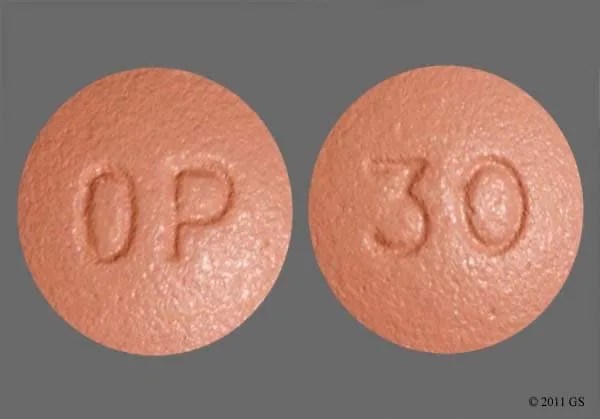
Oxycontin OP 30 mg
Oxycontin OP 30 mg OxyContin OP 30 mg is a powerful prescription opioid used to manage moderate to severe chronic pain. Its extended-release formulation provides up to 12 hours of consistent pain relief, helping patients with conditions such as arthritis, back pain, or cancer pain. The active ingredient, oxycodone, works by altering the way the brain and nervous system respond to pain. Due to its strength, OxyContin OP 30 mg should be taken strictly as prescribed to avoid the risks of misuse, dependency, or overdose. Always follow your healthcare provider’s instructions for safe and effective pain management. Related
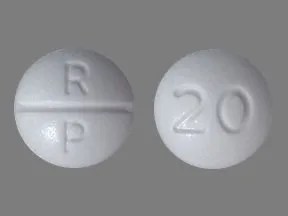
Oxycodone 20mg
Oxycodone 20mg – The Complete Medical Guide Oxycodone 20mg is a high-potency immediate-release opioid analgesic classified as a Schedule II controlled substance. This intermediate-strength tablet is prescribed for moderate to severe acute pain in opioid-tolerant patients, typically following major surgeries, traumatic injuries, or for cancer pain management. With 1.5 times the potency of oral morphine, it requires careful clinical oversight due to risks of respiratory depression, misuse, and addiction. Oxycodone 20mg Oxycodone 20mg HCl tablets contain Oxycodone (K 57 grey round pill), a narcotic agonist medication used in adults to manage pain severe enough to require narcotic treatment. It works in the brain to change your body’s emotions and stress response. Oxycodone HCl Controlled-Delivery Tablets are narcotic pain relievers available in 10 mg and 20 mg tablets for oral administration. The pill size indicates how much Oxycodone is in each tablet as the hydrochloride salt. Oxycodone hydrochloride is a white, odorless glassy powder derived from the opium alkaloid, thebaine. 20 milligram Oxycodone is highly soluble in water (1 g per 6 to 7 mL) and is considered soluble in alcohol (octanol water fragment coefficient is 0.7). Each oral tablet contains 5 mg, 10 mg, 15 mg, 20 mg, or 30 mg Oxycodone. Oxycodone pill has the potential for dependence and is prescribed as a controlled substance. The side effects of K 57 pill are similar to those of other prescription drugs. Disruption is the most widespread and unwanted. The strength of these unpleasant effects decreases after a while. Patients on Oxy pills should be monitored for withdrawal, help with discomfort, side effects, and proper use. Their pulse and breathing should also be monitored, especially in the first 24 to 72 hours after starting treatment or increasing the dose. Considering that the pain continues to increase after the comparison of the dose, the doctor should investigate the selected causes of the increase before increasing the dose of the drug or returning it. In case of adverse effects, consider a dose reduction to achieve the appropriate level of treatment without side effects. Medical Uses & Indications FDA-Approved Uses Moderate to severe acute pain in opioid-tolerant patients Postoperative pain (Major procedures) Trauma-related pain (Fractures, severe injuries) Breakthrough cancer pain Key Clinical Features • Onset: 15-30 minutes (oral administration) • Peak effect: 1-2 hours • Duration: 4-6 hours • Equianalgesic potency: 20mg ≈ 30mg oral morphine • DEA Classification: Schedule II controlled substance Pharmacology & Mechanism Neurochemical Action • Full μ-opioid receptor agonist • κ-opioid receptor partial agonist • Inhibits ascending pain pathways Metabolic Profile • Hepatic metabolism: CYP3A4 (major), CYP2D6 (minor) • Active metabolite: Oxymorphone (via CYP2D6) • Elimination half-life: 3-5 hours Dosing & Administration Standard Dosing Protocol • Opioid-tolerant adults: Initial: 10-15mg every 4-6 hours as needed May titrate to 20mg if lower doses ineffective • Maximum daily dose: 80mg without specialist consultation Administration Guidelines • Take whole with water • May take with food if nausea occurs • Avoid alcohol completely • Store securely at room temperature Critical Safety Notes Not for opioid-naïve patients Requires opioid tolerance confirmation Never crush/chew tablets Naloxone co-prescription mandatory Safety Profile Common Adverse Effects • Constipation (prophylactic management required) • Nausea/vomiting (30-40% incidence) • Dizziness/sedation • Pruritus (20-25%) Black Box Warnings Addiction, abuse, and misuse risk Life-threatening respiratory depression Accidental ingestion danger Neonatal opioid withdrawal syndrome Risk Mitigation Strategies Prescribing Safeguards PDMP review before each prescription Written treatment agreement Limit to shortest effective duration Frequent follow-up assessments Patient Monitoring • Weekly visits for new starts • Urine drug screening • Pill counts for chronic users Clinical Alternatives For Moderate-Severe Pain • Hydrocodone 10mg combinations • Morphine sulfate IR • Hydromorphone IR Non-Opioid Options • Ketorolac limited course • Diclofenac sodium • Lidocaine patches Special Populations Population Dosing Considerations Monitoring Elderly (≥65) 50% dose reduction Increased fall risk Hepatic impairment Avoid or 75% reduction LFT monitoring Renal (CrCl<30) Extended interval (q8h) Renal function Pediatric CONTRAINDICATED – Related
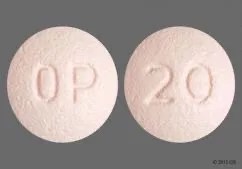
Oxycontin OP 20 mg
Oxycontin OP 20 mg OxyContin OP 20 mg is a prescription medication used to manage moderate to severe chronic pain. This extended-release formulation provides long-lasting pain relief for up to 12 hours, making it ideal for patients with conditions such as back pain or cancer-related discomfort. The active ingredient, oxycodone, works by altering the way the brain and nervous system perceive pain. Due to its potency, OxyContin OP 20 mg should be taken exactly as prescribed to minimize the risk of misuse, addiction, and overdose. Always follow your healthcare provider’s guidelines for safe and effective use. Related
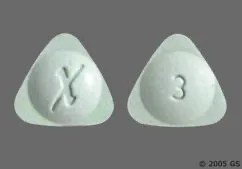
Xanax XR 3 mg
Xanax XR 3 mg Xanax XR 3 mg is an extended-release prescription medication containing alprazolam, a benzodiazepine used to treat anxiety disorders and panic attacks. The extended-release formulation provides a gradual, long-lasting effect to help manage symptoms throughout the day. Xanax XR 3 mg works by calming the brain and nervous system, promoting relaxation. Due to its potency and potential for dependence, it should be taken only under the supervision of a healthcare professional. Always follow prescribed dosage guidelines for safe and effective treatment. Related
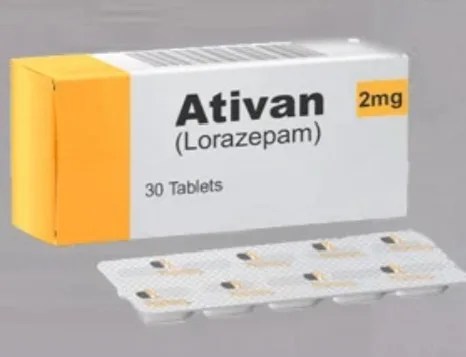
Ativan 2 mg
Ativan 2 mg—The Ultimate Guide to Uses, Dosage, Side Effects, and Safety Ativan, the brand name for lorazepam, is a prescription medication belonging to the benzodiazepine class. It is primarily used to treat anxiety disorders, insomnia, seizures, and alcohol withdrawal. The 2mg dosage is one of the strongest available and is typically prescribed for severe anxiety or acute panic attacks. This guide explores everything you need to know about Ativan 2mg, including its effects, proper dosage, potential side effects, risks of dependence, and alternatives. Ativan 2 mg Ativan 2 mg is a prescription medication that contains 2 mg of lorazepam, a benzodiazepine used to treat anxiety, panic disorders, and insomnia. It works by calming the brain and central nervous system, helping to reduce anxiety and promote relaxation. Ativan 2 mg is also sometimes prescribed for short-term relief of anxiety or as a sedative before medical procedures. Due to its potential for dependence and misuse, Ativan 2 mg should only be taken as prescribed by a healthcare provider. Always follow your doctor’s instructions for safe and effective use. What Is Ativan (Lorazepam) 2mg Used For? Ativan 2mg is a fast-acting benzodiazepine that enhances the effects of GABA (gamma-aminobutyric acid), a neurotransmitter that calms the brain and nervous system. Medical Uses of Ativan 2mg: Anxiety Disorders (Generalized Anxiety Disorder, Panic Disorder) Insomnia (Short-term treatment for severe sleep disturbances) Seizure Control (Emergency treatment for epilepsy or status epilepticus) Alcohol Withdrawal (Helps manage delirium tremens and agitation) Pre-Surgical Sedation (Used before medical procedures to reduce anxiety) Effects of Ativan 2mg Ativan 2mg produces calming, sedative, and muscle-relaxing effects. The onset and duration depend on the method of administration: Oral tablets: Effects begin within 20-30 minutes, peak at 2 hours, and last 6-8 hours. Intravenous (IV) injection: Works almost immediately (used in hospitals for seizures or severe agitation). Common Effects Include: Reduced anxiety and panic symptoms Drowsiness and relaxation Muscle relaxation Mild euphoria (in some users) Improved sleep (for those with insomnia) However, higher doses (like 2mg or more) can lead to excessive sedation, confusion, or memory impairment. Recommended Dosage for Ativan 2mg The correct dosage depends on the condition being treated, age, and individual tolerance. Standard Dosage Guidelines: Anxiety Disorders: 1-2mg per day, divided into 2-3 doses Insomnia: 2-4mg at bedtime (short-term use only) Seizures/Alcohol Withdrawal: 2-4mg initially, adjusted by a doctor Elderly Patients: Lower doses (0.5-1mg) due to increased sensitivity Never exceed prescribed doses—Ativan can be habit-forming! Side Effects of Ativan 2mg While effective, Ativan 2mg can cause side effects, especially at higher doses. Common Side Effects: Drowsiness Dizziness Weakness Blurred vision Memory problems Serious Side Effects (Seek Medical Help): Severe confusion or hallucinations Difficulty breathing Extreme drowsiness (risk of falls, especially in elderly) Mood changes (depression, aggression, suicidal thoughts) Risks & Warnings: Dependence & Withdrawal Ativan is a Schedule IV controlled substance due to its potential for abuse, dependence, and withdrawal. Dependence Risk Factors: Taking more than prescribed Using for longer than 2-4 weeks Mixing with alcohol or opioids (increases overdose risk) Withdrawal Symptoms (If Stopped Suddenly): Rebound anxiety & insomnia Tremors & sweating Seizures (in severe cases) Hallucinations & delirium To avoid withdrawal, always taper off under medical supervision. Ativan 2mg vs. Other Benzos (Xanax, Valium, Klonopin) Benzodiazepine Strength (Compared to Ativan) Duration Best For Ativan (Lorazepam) 2mg Moderate 6-8 hours Anxiety, seizures, alcohol withdrawal Xanax (Alprazolam) 2mg Stronger 4-6 hours Panic attacks, severe anxiety Valium (Diazepam) 10mg Longer-lasting 8-12 hours Muscle spasms, chronic anxiety Klonopin (Clonazepam) 2mg Long-acting 12+ hours Seizures, panic disorder Ativan is less potent than Xanax but faster-acting than Valium or Klonopin. Can You Buy Ativan 2mg Online? Ativan is a prescription medication—you can buy it online at Promethazinelean.com Legitimate Ways to Obtain Ativan: Doctor’s Prescription (Psychiatrist or GP) Online Pharmacies (With Valid Rx) Hospital Use (For emergencies like seizures) Avoid black-market Ativan—counterfeit pills may contain fentanyl or other dangerous substances! Natural Alternatives to Ativan 2mg For those seeking non-addictive options, consider: 1. CBD Oil Reduces anxiety without sedation. 2. L-Theanine (Found in Green Tea) Promotes relaxation without drowsiness. 3. Valerian Root & Chamomile Mild sedatives for insomnia. 4. Prescription Alternatives (Non-Benzos) Buspirone (Buspar) – Non-habit-forming anxiety med. Hydroxyzine (Vistaril) – Antihistamine for anxiety. Final Thoughts: Is Ativan 2mg Right for You? Ativan 2mg is a powerful medication that can relieve severe anxiety and insomnia but carries risks of dependence and side effects. Key Takeaways: Effective for short-term anxiety & insomnia High risk of dependence—use only as prescribed Never mix with alcohol or opioids Taper off slowly to avoid withdrawal Consult a doctor before starting or stopping Ativan. Related
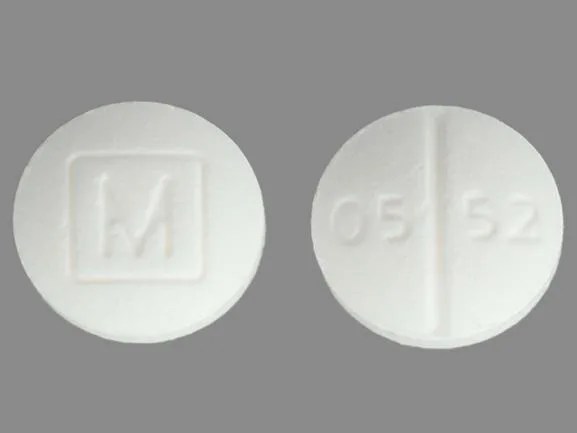
Oxycontin OC 5mg
OxyContin OC 5mg – The Complete Medical Guide OxyContin OC 5mg is an extended-release oxycodone formulation classified as a Schedule II controlled substance. As the lowest available strength of the original OxyContin formulation (pre-2010), it is designed for initiating therapy in opioid-tolerant patients requiring around-the-clock pain management. The “OC” designation indicates it lacks modern abuse-deterrent properties, requiring extra prescribing precautions. Oxycontin OC 5mg OxyContin OC 5mg is a prescription medication that contains oxycodone, an opioid analgesic, designed to provide long-lasting relief from moderate to severe pain. The “OC” formulation refers to the original controlled-release version of OxyContin, which is engineered to release the medication steadily over time, offering continuous pain relief. Typically prescribed for chronic pain conditions, OxyContin OC 5 mg is ideal for patients who need around-the-clock pain management. However, due to its potency and risk of misuse, OxyContin should be used only as directed by a healthcare provider. Key Benefits: Provides extended pain relief with controlled-release technology Effective for managing chronic pain Ideal for patients needing consistent, long-term pain control Important Considerations: Risk of dependence, overdose, and misuse Common side effects include constipation, drowsiness, and dizziness Do not combine with alcohol or other sedatives Consult with your doctor to determine if OxyContin OC 5 mg is the right choice for your pain management needs. Medical Uses & Indications FDA-Approved Uses Moderate to severe chronic pain requiring continuous opioid therapy Initiation of long-term opioid therapy in tolerant patients Pain uncontrolled by immediate-release opioids Key Clinical Features • Formulation: Original controlled-release (non-abuse deterrent) • Onset: 1-2 hours • Duration: 12-hour controlled release • Equianalgesic ratio: 5mg q12h ≈ 7.5mg oral morphine daily • DEA Classification: Schedule II (High abuse potential) Pharmacology & Mechanism Neurochemical Action • Full μ-opioid receptor agonist • κ-opioid receptor partial agonist • Sustained activation of pain modulation pathways Metabolic Profile • Hepatic metabolism: CYP3A4 (major), CYP2D6 (minor) • Active metabolites: Oxymorphone (via CYP2D6) • Elimination half-life: 4.5-8 hours (ER formulation) Dosing & Administration Standard Protocol • Initial dose for opioid-tolerant patients: 5mg q12h • Titration: Adjust by 5mg increments every 3-7 days • Maximum daily dose: 40mg without specialist consultation Critical Safety Notes Not for opioid-naïve patients Never crush/chew tablets (immediate 5mg release risk) Naloxone co-prescription required Daily PDMP monitoring recommended Safety Profile Common Adverse Effects • Constipation (prophylaxis required) • Nausea/vomiting (30-40%) • Dizziness/sedation • Pruritus (20-25%) Black Box Warnings High potential for addiction and abuse Life-threatening respiratory depression Accidental exposure danger Neonatal opioid withdrawal syndrome Risk Mitigation Strategies Prescribing Safeguards Documented trial of non-opioid alternatives first Written opioid treatment agreement Weekly follow-ups for first month Random urine drug screens Patient Education • Never share medication • Recognize overdose signs • Proper storage in locked container • Avoid all CNS depressants Clinical Alternatives For Chronic Pain • OxyContin OP (abuse-deterrent formulation) • Xtampza ER (abuse-deterrent oxycodone) • Morphine sulfate ER Non-Opioid Options • Duloxetine (For neuropathic pain) • Gabapentin • Interventional pain procedures Special Population Considerations Population Dosing Adjustment Monitoring Elderly (≥65) Start with 2.5mg q12h* Increased fall risk Hepatic impairment 50% dose reduction LFT monitoring Renal (CrCl<30) q18h dosing Renal function Pediatric CONTRAINDICATED – Related