Medicines & Treatments
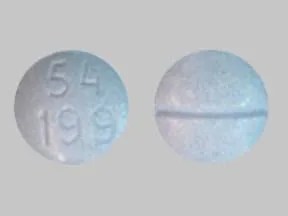
Roxicodone 30 mg
Roxicodone 30 mg Roxicodone 30 mg is a prescription opioid medication used to manage moderate to severe pain. It contains 30 mg of oxycodone, a powerful pain reliever that works by altering how the brain and nervous system respond to pain. This fast-acting formulation provides effective relief for acute pain, often prescribed after surgery or injury. Due to its potency and risk of addiction or misuse, Roxicodone 30 mg should only be taken as prescribed by a healthcare provider. Always follow your doctor’s instructions for safe and effective pain management. Related
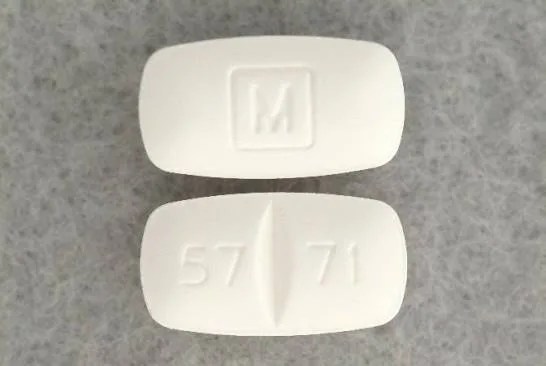
Generic Methadone 10 mg
Methadone 10 mg Pill is a generic medicine of branded drug, Dolophine and Methadose. Both drugs are used to treat multiple conditions. Such conditions are Opioid use disorder (OUD), opioid withdrawal symptoms and Pain in patients. The medicine belongs to the narcotic analgesics drug class and is categorized under the Schedule II Controlled Substance Act in the USA. Furthermore, the drug contains lactose monohydrate, magnesium stearate, silicon dioxide, microcrystalline cellulose, etc as key ingredients. The medicine is FDA-approved to treat pain and opioid dependence conditions. Several other medicines are effective in treating moderate to severe pain and OUD. Those medicines are Gabapentin, Acetaminophen, Oxycodone, Tramadol, etc. Function of Methadone 10 mg: The primary role of Methadone opioid analgesic drug is to work in the Brain function. It works in the central nervous system of an Individual and binds the mu receptors in the brain. This M 57 71 pill also reduces certain chemicals which creates the perception of pain in the patient body. It decreases the pain effects and provides relaxation to the patient who is suffering from chronic pain. It stays active in the body for 48 hours, and the half-life of this prescription drug is considered as 24 hours. Doses and Forms: Methadone is a prescription drug and is available in oral solution, oral tablet, injectable solution, intravenous solution, and oral concentrate dispersible forms. Methadone 10 mg drug, comes in the form of oral tablet with a rectangle shape, white color with M 57 71 imprinted initials. Some other dosages of Methadone drugs are as follows- Methadone 5 mg (White oral rectangle tablet) Imprint: M57 55 Methadone 40 mg (four-sided oral orange tablet) Imprint: M 25 40 After getting a checkup of the patient, the doctor recommends an initial dose of 5 mg and a maximum is 40 mg. However, doses of this pain relief may vary from person to person age, and health condition. Use of M 57 71 Pill: As already mentioned, 10 Methadone is used to treat pain, opioid use disorder, and opioid withdrawal symptoms. Patients have to follow some instructions during this course of medication. These are – Do not break or crush the tablet of Methadone while consuming, swallow it whole with water. Follow all guiding information given by a healthcare expert. Take the medicine if one is 18 or above this age. Take proper rest after consuming the tablet. Side Effects of 10 mg Methadone: Restlessness Stomach upset Vomiting Itchiness in skin Hot and cold sweating Constipation Problems while intimacy Sleeping problems Loss appetite Headache Stomach pain Dry mouth Mood swings Double vision Dark urine Precautions: Do not use other opioid medicine when taking Methadone drugs. Breastfeeding mothers or pregnant women cannot use this medicine. Never stop taking this drug suddenly Do not use this medicine, If one has asthma problems. Do not consume alcohol during the Methadone treatment. After taking the medicine, Avoid performing tasks that require attentiveness Related
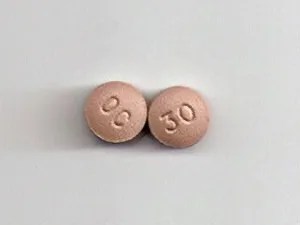
Oxycontin OC 30 mg
OxyContin OC 30mg – The Complete Medical Guide OxyContin OC 30mg is an extended-release oxycodone formulation classified as a Schedule II controlled substance. This intermediate-strength version of the original OxyContin (pre-2010 reformulation) is designed for management of moderate to severe chronic pain in opioid-tolerant patients. The “OC” designation indicates it lacks modern abuse-deterrent properties, making it particularly high-risk for misuse compared to current “OP” formulations. Oxycontin OC 30mg OxyContin OC 30mg is a prescription opioid medication that contains oxycodone, used for managing moderate to severe chronic pain. The “OC” formula refers to the original controlled-release version, designed to deliver consistent pain relief over an extended period, making it ideal for patients who need continuous, long-lasting pain management. OxyContin OC 30mg is often prescribed to individuals who require around-the-clock pain control and have not found relief with other pain medications. However, due to its strength and potential for misuse, it should only be used under the strict supervision of a healthcare provider. Key Benefits: Provides long-lasting pain relief with controlled-release technology Effective for managing moderate to severe chronic pain Ideal for continuous pain management over 12 hours Important Considerations: Risk of addiction, overdose, and misuse Common side effects include constipation, nausea, and drowsiness Avoid alcohol and certain medications that interact with opioids Consult your doctor to see if OxyContin OC 30mg is the right option for your pain management. Medical Uses & Indications FDA-Approved Uses Moderate to severe chronic pain requiring continuous opioid therapy Cancer pain management in opioid-tolerant patients Pain uncontrolled by immediate-release opioids Key Clinical Features • Formulation: Original controlled-release (non-abuse deterrent) • Onset: 1-2 hours • Duration: 12-hour controlled release • Equianalgesic ratio: 30mg q12h ≈ 45mg oral morphine daily • DEA Classification: Schedule II (Highest abuse potential) Pharmacology & Mechanism Neurochemical Action • Full μ-opioid receptor agonist • κ-opioid receptor partial agonist • Sustained activation of pain modulation pathways Metabolic Profile • Hepatic metabolism: CYP3A4 (major), CYP2D6 (minor) • Active metabolites: Oxymorphone (via CYP2D6) • Elimination half-life: 4.5-8 hours (ER formulation) Dosing & Administration Strict Eligibility Criteria • Confirmed opioid tolerance: ≥60mg oral morphine equivalent daily • Stable pain pattern (Not episodic/breakthrough) • Failed trials of lower-dose opioids Conversion Protocol Calculate total daily morphine equivalent Reduce by 25-50% (incomplete cross-tolerance) Divide by 2 for q12h dosing Critical Safety Notes Hospital initiation recommended Never crush/chew tablets (immediate 30mg release risk) Requires dual prescriber verification in some states Naloxone rescue kit mandatory Safety Profile Common Adverse Effects • Constipation (universal, requires prophylaxis) • Nausea/vomiting (30-40%) • Sedation/dizziness • Pruritus (20-25%) Black Box Warnings High potential for addiction and abuse Life-threatening respiratory depression Accidental ingestion danger Concomitant CNS depressant risk Risk Mitigation Strategies Prescribing Safeguards Documented failure of abuse-deterrent formulations Written opioid treatment agreement Weekly follow-ups for first 3 months Random urine drug screening Patient Safety Measures • Biometric locked storage • Mandatory caregiver training • Medication disposal protocol • Absolute alcohol prohibition Clinical Alternatives For Chronic Pain • OxyContin OP (abuse-deterrent formulation) • Xtampza ER (abuse-deterrent oxycodone) • Morphine sulfate ER Non-Opioid Options • Duloxetine (For neuropathic pain) • Gabapentin enacarbil • Interventional pain procedures Special Population Considerations Population Dosing Adjustment Monitoring Elderly (≥65) CONTRAINDICATED – Hepatic impairment CONTRAINDICATED – Renal (CrCl<30) CONTRAINDICATED – Pediatric CONTRAINDICATED – Related
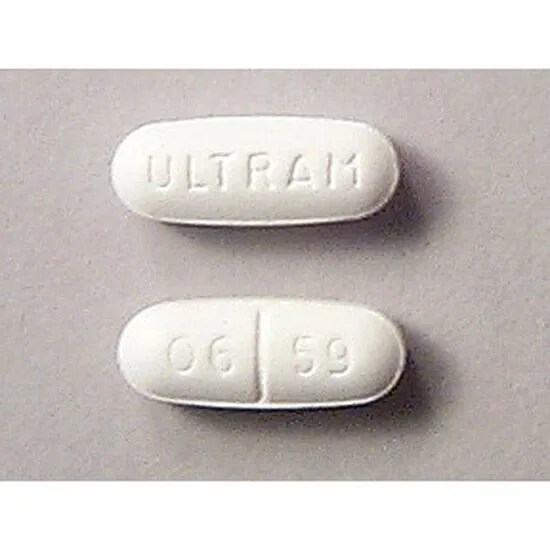
Tramadol 50 mg
Tramadol 50 mg Tramadol 50 mg is a prescription medication used to treat moderate pain. As an opioid-like analgesic, it works by altering how the brain and nervous system respond to pain. Tramadol 50 mg provides effective relief for conditions such as musculoskeletal pain, injury, or post-surgical discomfort. Due to its potential for misuse and dependency, Tramadol should be used only as prescribed by a healthcare provider. Always follow the prescribed dosage and guidelines to ensure safe and effective pain management. Related
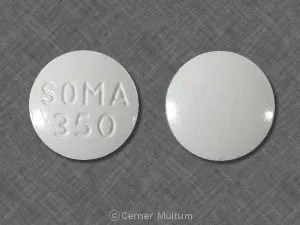
Soma 350 mg
Soma 350 mg Soma 350 mg is a prescription muscle relaxant used to relieve pain and discomfort caused by muscle injuries, strains, or spasms. The active ingredient, carisoprodol, works by interrupting the pain signals sent to the brain, helping to relax muscles and alleviate pain. Soma 350 mg is commonly prescribed as part of a treatment plan that includes rest and physical therapy. Due to its potential for misuse and side effects, it should only be taken as prescribed by a healthcare provider. Always follow your doctor’s guidelines for safe and effective use. Related
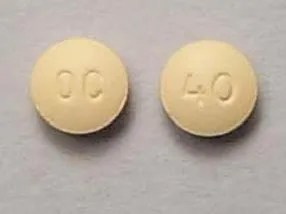
Oxycontin OC 40mg
OxyContin OC 40mg – The Complete Medical Guide OxyContin OC 40mg is a high-potency extended-release oxycodone formulation classified as a Schedule II controlled substance. This intermediate-strength version of the original OxyContin (pre-2010 reformulation) is designed for management of severe, chronic pain in opioid-tolerant patients. The “OC” designation indicates it lacks modern abuse-deterrent properties, requiring extreme prescribing caution. Oxycontin OC 40mg OxyContin OC 40mg is a prescription medication containing oxycodone, an opioid used to manage severe chronic pain. The “OC” formulation refers to the original controlled-release version, designed to deliver continuous pain relief over an extended period, providing consistent control for patients with persistent pain. OxyContin OC 40 mg is typically prescribed for those who require long-term pain management and cannot achieve sufficient relief with other pain medications. Due to its potency and potential for misuse, OxyContin should only be used under strict medical supervision. Key Benefits: Provides extended, controlled-release pain relief Effective for managing severe chronic pain Ideal for patients needing 24-hour pain control Important Considerations: Risk of addiction, overdose, and misuse Common side effects include constipation, dizziness, and drowsiness Avoid alcohol and other sedatives while using OxyContin Always consult with your healthcare provider to determine if OxyContin OC 40 mg is suitable for your pain management needs. Medical Uses & Indications FDA-Approved Uses Severe chronic pain requiring continuous opioid therapy Cancer pain management in opioid-tolerant patients Pain uncontrolled by lower-dose opioids Key Clinical Features • Formulation: Original controlled-release (non-abuse deterrent) • Onset: 1-2 hours • Duration: 12-hour controlled release • Equianalgesic ratio: 40mg q12h ≈ 60mg oral morphine daily • DEA Classification: Schedule II (Highest abuse potential) Pharmacology & Mechanism Neurochemical Action • Full μ-opioid receptor agonist • κ-opioid receptor partial agonist • Potent activation of mesolimbic reward pathway Metabolic Profile • Hepatic metabolism: CYP3A4 (major), CYP2D6 (minor) • Active metabolites: Oxymorphone (via CYP2D6) • Elimination half-life: 4.5-8 hours (ER formulation) Dosing & Administration Strict Eligibility Criteria • Confirmed opioid tolerance: ≥80mg oral morphine equivalent daily • Stable pain pattern (Not episodic/breakthrough) • Failed trials of abuse-deterrent formulations Conversion Protocol Calculate total daily morphine equivalent Reduce by 25-50% (incomplete cross-tolerance) Divide by 2 for q12h dosing Critical Safety Notes Hospital initiation strongly recommended Never crush/chew tablets (immediate 40mg release risk) Requires dual prescriber verification Naloxone rescue kit mandatory Safety Profile Common Adverse Effects • Severe constipation (universal) • Nausea/vomiting (50-60%) • Profound sedation • Cognitive impairment Black Box Warnings Extreme addiction potential Life-threatening respiratory depression Fatal overdose risk if misused Concomitant CNS depressant danger Risk Mitigation Strategies Prescribing Safeguards Specialist pain management consultation Triplicate prescription forms where required Weekly follow-ups initially Random pill counts and UDS Patient Safety Measures • Biometric locked storage • Mandatory caregiver training • Medication disposal system • Absolute alcohol prohibition Clinical Alternatives For Severe Chronic Pain • OxyContin OP (abuse-deterrent) • Methadone (For select patients) • Fentanyl transdermal Non-Opioid Options • Intrathecal pump therapy • Dorsal column stimulation • Adjuvant medications Special Population Considerations Population Consideration Action Elderly (≥65) CONTRAINDICATED – Hepatic impairment CONTRAINDICATED – Renal (CrCl<30) CONTRAINDICATED – Pediatric CONTRAINDICATED – Related
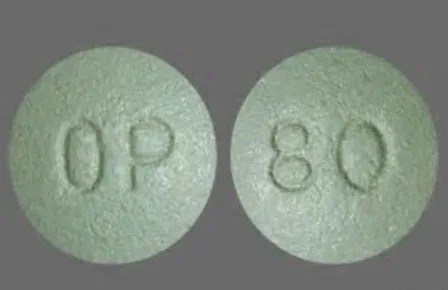
Oxycontin OP 80 mg
OxyContin OP 80mg – The Complete Medical Guide OxyContin OP 80mg is an abuse-deterrent, extended-release oxycodone formulation classified as a Schedule II controlled substance. This maximum-strength tablet is reserved for management of severe, around-the-clock pain in opioid-tolerant patients. The “OP” designation indicates it contains physical and chemical barriers to deter crushing, snorting, or injecting – though risks of misuse and addiction remain significant. Oxycontin OP 80mg OxyContin OP 80mg is a powerful prescription opioid used to manage severe, chronic pain that requires continuous, long-term treatment. Its extended-release formulation delivers up to 12 hours of consistent pain relief, making it ideal for patients dealing with conditions like cancer pain or major back pain. The active ingredient, oxycodone, works by altering the brain’s response to pain. Due to its high potency, OxyContin OP 80 mg must be taken exactly as prescribed by a healthcare provider to minimize the risks of misuse, addiction, and overdose. Always follow your doctor’s guidelines for safe and effective use. Medical Uses & Indications FDA-Approved Uses Severe chronic pain requiring continuous opioid therapy Cancer pain management in highly opioid-tolerant patients Pain uncontrolled by lower-dose opioids Key Clinical Features • Formulation: Abuse-deterrent extended-release • Onset: 1-2 hours • Duration: 12-hour controlled release • Equianalgesic ratio: 80mg q12h ≈ 120mg oral morphine daily • DEA Classification: Schedule II (Highest abuse potential) Pharmacology & Mechanism Neurochemical Action • Full μ-opioid receptor agonist • κ-opioid receptor partial agonist • Sustained activation of pain modulation pathways Abuse-Deterrent Properties • Hard plastic coating resists crushing • Viscous gel formation when dissolved • Not completely abuse-proof (oral abuse still possible) Dosing & Administration Strict Eligibility Criteria • Confirmed opioid tolerance: ≥160mg oral morphine equivalent daily • Stable pain pattern (Not episodic/breakthrough) • Failed trials of lower-dose opioids Conversion Protocol Calculate total daily morphine equivalent Reduce by 25-50% (incomplete cross-tolerance) Divide by 2 for q12h dosing Critical Safety Notes Hospital initiation mandatory Must swallow whole (never cut/crush/chew) Requires dual prescriber verification Naloxone rescue kit mandatory Safety Profile Common Adverse Effects • Severe constipation (universal) • Nausea/vomiting (50-60%) • Profound sedation • Cognitive impairment Black Box Warnings High potential for addiction and abuse Life-threatening respiratory depression Accidental ingestion can be fatal Concomitant CNS depressant danger Risk Mitigation Strategies Prescribing Safeguards Specialist pain management consultation required Triplicate prescription forms in most states Weekly follow-ups for first 3 months Random pill counts and UDS Patient Safety Measures • Biometric locked storage required • Mandatory caregiver training • Medication disposal system provided • Absolute alcohol prohibition Clinical Alternatives For Severe Chronic Pain • Xtampza ER (abuse-deterrent oxycodone) • Methadone (For select patients) • Fentanyl transdermal Non-Opioid Options • Intrathecal pump therapy • Dorsal column stimulation • Adjuvant medications Special Population Considerations Population Consideration Action Elderly (≥65) CONTRAINDICATED – Hepatic impairment CONTRAINDICATED – Renal (CrCl<30) CONTRAINDICATED – Pediatric CONTRAINDICATED – Related
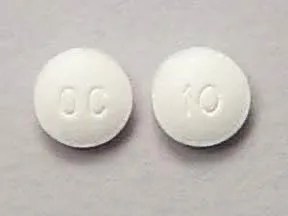
Oxycontin OC 10mg
OxyContin OC 10mg – The Complete Medical Guide OxyContin OC 10mg is an extended-release oxycodone formulation classified as a Schedule II controlled substance. This lower-strength version of the original OxyContin formulation (pre-2010) is designed for around-the-clock management of moderate to severe chronic pain in opioid-tolerant patients. The “OC” designation indicates it lacks modern abuse-deterrent properties, making careful prescribing essential. Oxycontin OC 10mg OxyContin OC 10mg is a prescription opioid medication containing oxycodone, used to treat moderate to severe chronic pain. The “OC” version refers to the original controlled-release formula, designed to provide continuous pain relief over an extended period, typically for up to 12 hours. This medication is ideal for patients who require around-the-clock pain management and have not found sufficient relief with other pain treatments. However, due to its potency and potential for misuse, OxyContin OC 10 mg should only be used under the strict supervision of a healthcare professional. Key Benefits: Long-lasting, controlled-release pain relief Effective for managing moderate to severe chronic pain Ideal for consistent, 12-hour pain control Important Considerations: Risk of addiction, overdose, and misuse Common side effects include constipation, dizziness, and drowsiness Avoid alcohol and other sedatives while using OxyContin Consult your doctor to determine if OxyContin OC 10mg is the right choice for your pain management needs. Medical Uses & Indications FDA-Approved Uses Moderate to severe chronic pain requiring continuous opioid therapy Cancer pain management in opioid-tolerant patients Pain uncontrolled by immediate-release opioids Key Clinical Features • Formulation: Original controlled-release (non-abuse deterrent) • Onset: 1-2 hours • Duration: 12-hour controlled release • Equianalgesic ratio: 10mg q12h ≈ 15mg oral morphine daily • DEA Classification: Schedule II (Highest abuse potential) Pharmacology & Mechanism Neurochemical Action • Full μ-opioid receptor agonist • κ-opioid receptor partial agonist • Sustained activation of pain modulation pathways Metabolic Profile • Hepatic metabolism: CYP3A4 (major), CYP2D6 (minor) • Active metabolites: Oxymorphone (via CYP2D6) • Elimination half-life: 4.5-8 hours (ER formulation) Dosing & Administration Standard Protocol • Initial dose for opioid-tolerant patients: 10mg q12h • Titration: Adjust by 5-10mg increments every 3-7 days • Maximum daily dose: 80mg without specialist consultation Critical Safety Notes Not for opioid-naïve patients Never crush/chew tablets (immediate 10mg release risk) Requires naloxone co-prescription Daily PDMP monitoring recommended Safety Profile Common Adverse Effects • Constipation (prophylaxis required) • Nausea/vomiting (30-40%) • Dizziness/sedation • Pruritus (20-25%) Black Box Warnings High potential for addiction and abuse Life-threatening respiratory depression Accidental exposure danger Neonatal opioid withdrawal syndrome Risk Mitigation Strategies Prescribing Safeguards Documented trial of abuse-deterrent formulations first Written opioid treatment agreement Weekly follow-ups for first month Random urine drug screens Patient Education • Never share medication • Recognize overdose signs • Proper storage/disposal • Avoid all CNS depressants Clinical Alternatives For Chronic Pain • OxyContin OP (abuse-deterrent) • Xtampza ER (abuse-deterrent) • Morphine sulfate ER Non-Opioid Options • Duloxetine (For neuropathic pain) • Gabapentin • Interventional procedures Special Population Considerations Population Dosing Adjustment Monitoring Elderly (≥65) Start with 5mg q12h Increased fall risk Hepatic impairment 50% dose reduction LFT monitoring Renal (CrCl<30) q18h dosing Renal function Pediatric CONTRAINDICATED – Related
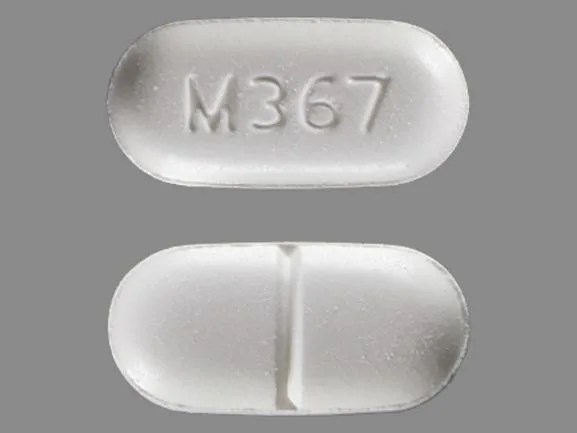
Generic Hydrocodone m367
Overview Pain is a common problem that occurs due to an injury or arthritis in the people of the US. A medicine that is used for the treatment of moderate to severe pain in patients is Hydrocodone. The pill white in color and imprinted with m367 is available as Hydrocodone m367 in the market, which is a combination of Hydrocodone Bitrate and Acetaminophen to used to treat pain. Hydrocodone Bitrate is an opioid medicine used in treating pain and cough with a dosage strength of 10mg, whereas Acetaminophen is a non-opioid drug that treats pain and fever in patients with a dosage strength of 325mg. There are several brand names of Hydrocodone m367 available in the market. These include Vicodin, Zydone, Stagesic, Hycet, Lorcet, Norco, Anexsia, Zyfrel, and Lortab. Dosages: The dosage of this medicine is Hydrocodone 10/325 mg. This dosage is used to treat the symptoms of moderate to severe pain in adults and children above 2 years of age. Hydrocodone m367 medicine is available in the forms of oral tablet and solution. Dosages such as Hydrocodone 7.5/325 mg, Hydrocodone 2.5/325 mg and Hydrocodone 5/325 mg are also available in treating pain. This pain relief medicine is not recommended to children below 2 years of age. If they suffer from severe pain, then their parent or guardian must consult with their relevant doctors. Uses: Hydrocodone m367 is mainly used to treat severe pain in patients. People use this medicine orally when they are suffering from this pain. This medicine is taken without food. Interactions: There are several drugs that interact with Hydrocodone m367 medicine, which include Lyrica (Pregabalin), Tylenol (Acetaminophen), Metoprolol Tartrate (Metoprolol), Synthroid (Levothyroxine), Moricizine etc. Note: It is important to consult with a doctor before taking m367 hydrocodone medicine. If a person takes this medicine directly, then it may be harmful for his or her health. Side Effects: Side effects of this medicine occurs due to overdose or prolonged use of this medicine, which are common in patients. This m367 white oval pill causes several side effects in individuals. These include the following: Respiratory depression Dryness in mouth Headache Constipation Jaundice (yellow eyes or skin) Drowsiness Reduced appetite Skin rashes, itching or hives Abdominal pain Breathing problems Sleeping problems (insomnia) Weakness or tiredness Stomach cramps Muscle or joint pain Nausea and vomiting Dizziness or light-headedness Sweating Irregular heartbeat Fever Agitation Hallucinations Diarrhea Swelling in throat, lips, face or tongue Hoarseness Tightness in chest or chest pain Nose bleeding or runny nose Bleeding gums Swallowing problems Seizures or head injuries Precautions: Do not take more than one tablet of Hydrocodone m367 medicine at the same time. Avoid driving or performing other activities after taking Hydrocodone m367 medicine. The drowsiness can occur if a person is driving a car or any other vehicle after taking this medicine, which may be harmful for him or her. Do not use this medicine at the time of pregnancy and breastfeeding. Pregnant women must consult with a doctor before taking Hydrocodone m367 medicine. Individuals should not drink excessive alcohol after taking this drug as it damages a liver, which is dangerous for their health. Do not suddenly stop taking this medicine without a doctor’s advice. Call the doctor immediately when suffering from stomach pain and other medical problems after taking the Hydrocodone m367 drug. Do not take this medicine while using other nitrate medicines for the treatment of pain. Related Product Hydrocodone m367 $538.00 – $1,514.00 Hydrocodone m365 $538.00 – $1,514.00 Hydrocodone 10-650 mg $558.00 – $1,524.00 Hydrocodone 5-325 mg $529.00 – $1,508.00 Hydrocodone 10-500 mg $548.00 – $1,519.00 Hydrocodone 10-325mg $538.00 – $1,514.00 Hydrocodone 10-660 mg $562.00 – $1,529.00 Related