Medicines & Treatments
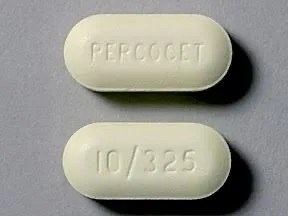
Percocet 10-325mg
OxyContin OP 80mg – The Complete Medical Guide OxyContin OP 80mg is an abuse-deterrent, extended-release oxycodone formulation classified as a Schedule II controlled substance. This maximum-strength tablet is reserved for management of severe, around-the-clock pain in opioid-tolerant patients. The “OP” designation indicates it contains physical and chemical barriers to deter crushing, snorting, or injecting – though risks of misuse and addiction remain significant. Percocet 10-325mg Percocet 10-325mg is a combination prescription medication used to manage moderate to severe pain. It contains 10 mg of oxycodone, a powerful opioid, and 325mg of acetaminophen, a pain reliever that enhances the effects of oxycodone. This formulation provides effective pain relief for conditions such as post-surgical pain, injury, or chronic pain. Due to its opioid content, Percocet 10-325 mg should be used strictly as prescribed to avoid the risks of misuse, addiction, and overdose. Always follow your healthcare provider’s instructions for safe and effective pain management. Medical Uses & Indications FDA-Approved Uses Severe chronic pain requiring continuous opioid therapy Cancer pain management in highly opioid-tolerant patients Pain uncontrolled by lower-dose opioids Key Clinical Features • Formulation: Abuse-deterrent extended-release • Onset: 1-2 hours • Duration: 12-hour controlled release • Equianalgesic ratio: 80mg q12h ≈ 120mg oral morphine daily • DEA Classification: Schedule II (Highest abuse potential) Pharmacology & Mechanism Neurochemical Action • Full μ-opioid receptor agonist • κ-opioid receptor partial agonist • Sustained activation of pain modulation pathways Abuse-Deterrent Properties • Hard plastic coating resists crushing • Viscous gel formation when dissolved • Not completely abuse-proof (oral abuse still possible) Dosing & Administration Strict Eligibility Criteria • Confirmed opioid tolerance: ≥160mg oral morphine equivalent daily • Stable pain pattern (Not episodic/breakthrough) • Failed trials of lower-dose opioids Conversion Protocol Calculate total daily morphine equivalent Reduce by 25-50% (incomplete cross-tolerance) Divide by 2 for q12h dosing Critical Safety Notes Hospital initiation mandatory Must swallow whole (never cut/crush/chew) Requires dual prescriber verification Naloxone rescue kit mandatory Safety Profile Common Adverse Effects • Severe constipation (universal) • Nausea/vomiting (50-60%) • Profound sedation • Cognitive impairment Black Box Warnings High potential for addiction and abuse Life-threatening respiratory depression Accidental ingestion can be fatal Concomitant CNS depressant danger Risk Mitigation Strategies Prescribing Safeguards Specialist pain management consultation required Triplicate prescription forms in most states Weekly follow-ups for first 3 months Random pill counts and UDS Patient Safety Measures • Biometric locked storage required • Mandatory caregiver training • Medication disposal system provided • Absolute alcohol prohibition Clinical Alternatives For Severe Chronic Pain • Xtampza ER (abuse-deterrent oxycodone) • Methadone (For select patients) • Fentanyl transdermal Non-Opioid Options • Intrathecal pump therapy • Dorsal column stimulation • Adjuvant medications Special Population Considerations Population Consideration Action Elderly (≥65) CONTRAINDICATED – Hepatic impairment CONTRAINDICATED – Renal (CrCl<30) CONTRAINDICATED – Pediatric CONTRAINDICATED – Related
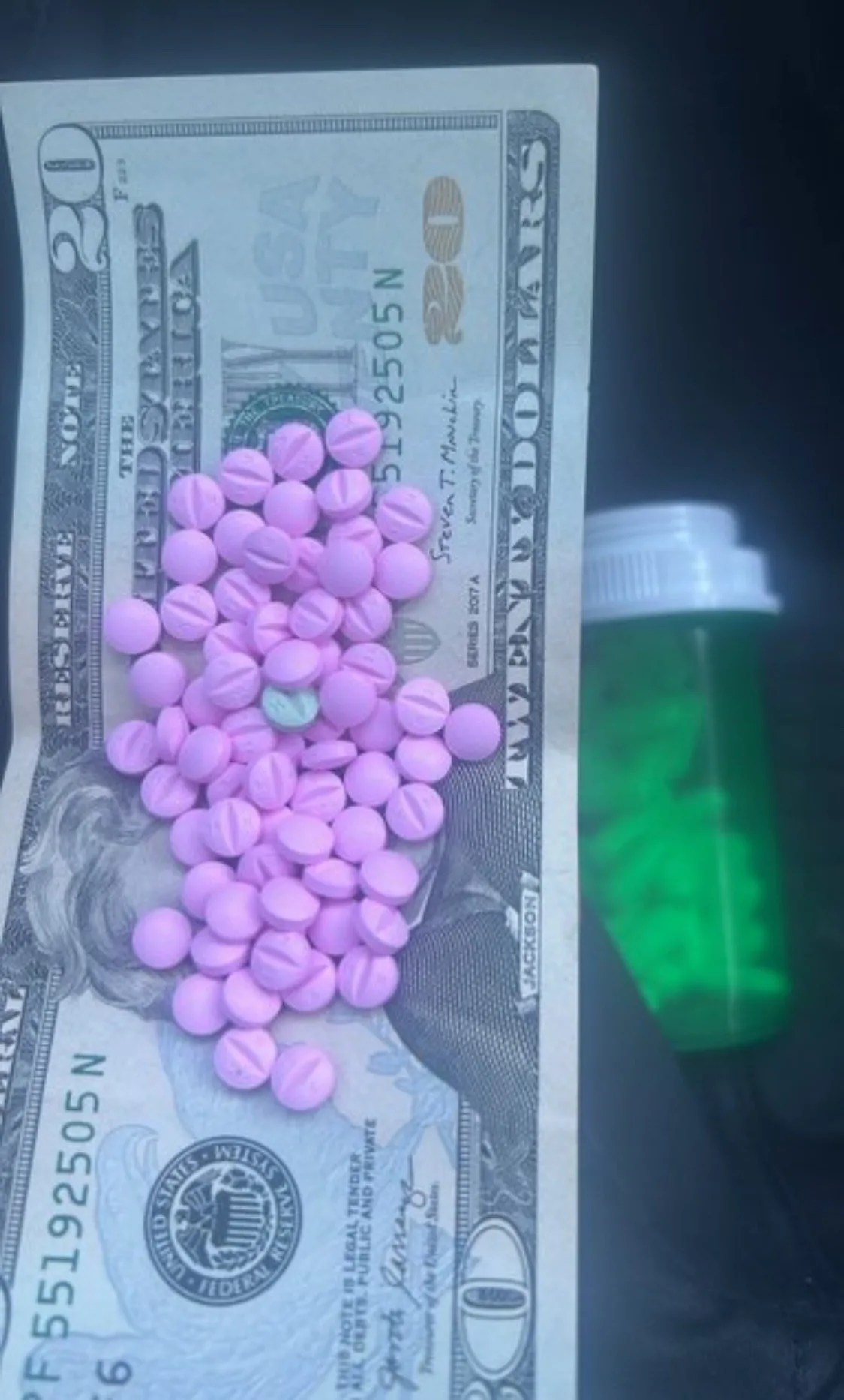
Pink Oxycodone
Pink Oxycodone When people search online for pink oxycodone, they are usually trying to identify a pill they’ve seen, understand a dosage they were prescribed, or confirm whether a tablet is legitimate. Terms like oxycodone 10mg pink, pink oxycodone 10 mg, or oxycodone pink round pill are commonly used because color and shape are often the first things people notice. Pink Oxycodone is a commonly recognized form of the potent prescription opioid pain medication oxycodone hydrochloride. The distinctive pink color serves as an immediate identifier for pharmacists, healthcare providers, and patients, helping to differentiate it from other medications and doses. Oxycodone is a semi-synthetic opioid derived from thebaine, an alkaloid of the opium poppy, and is classified as a Schedule II controlled substance in the United States due to its high potential for abuse and dependence. This article is written for educational and informational purposes only. It explains how pink oxycodone pills are identified, what the different dosage references mean, and why safety and verification are critical. What Is Oxycodone? Oxycodone is a prescription opioid pain medication used to treat moderate to severe pain. Doctors may prescribe it after surgery, injury, or for certain chronic pain conditions. It belongs to a class of medications known as opioid analgesics, which affect how the brain responds to pain. The pink variant specifically refers to tablets manufactured by various pharmaceutical companies, with the color and imprint codes providing crucial information about the dosage and manufacturer. While many people search for terms like pink oxycodone 10mg, oxycodone 10 mg pink, and pink oxycodone pill, it’s essential to understand that this medication should only be used under strict medical supervision for legitimate pain management purposes. Oxycodone is manufactured in different: Dosage strengths Tablet shapes Colors Release types Because of this, people often describe it using visual terms such as oxycodone pink or pink pill oxycodone when searching for information. Common Formulations and Identifiers of Pink Oxycodone Pills Pink Oxycodone 10mg: The Most Frequently Encountered Dosage The 10mg pink oxycodone tablet is perhaps the most recognized formulation. When people search for oxycodone pink 10 mg or pink 10 mg oxycodone, they’re typically referring to round, pink tablets with specific imprints that identify the manufacturer and confirm the dosage. Common identifiers for the 10mg dose include: · K56 pink pill oxycodone: This specific imprint on a round pink tablet indicates a 10mg oxycodone hydrochloride tablet manufactured by KvK Tech. · Other imprints: Different manufacturers use various codes, but all legitimate oxycodone 10mg pink pill formulations will have clear imprints including the dosage. It’s crucial to note that a pink oxycodone 10 pill should only be pink if it’s manufactured as such by a legitimate pharmaceutical company. The color is not an inherent property of the drug itself but rather a manufacturing choice for identification. Critical Risks and Safety Considerations Potential Side Effects of Pink Oxycodone All formulations, whether oxycodone pink 10mg or other strengths, carry significant side effect risks: · Common side effects: Nausea, constipation, drowsiness, dizziness, dry mouth · Serious side effects: Respiratory depression, severe hypotension, adrenal insufficiency · Long-term risks: Hormonal imbalances, immunosuppression, increased pain sensitivity The Dangers of Misuse and Addiction The frequent searches for pink oxycodone 10, oxycodone pink round pill, and similar terms unfortunately reflect both legitimate medical needs and problematic interest in this controlled substance. Important considerations include: · High abuse potential: Pink oxycodone formulations are frequently misused due to their potent effects · Addiction development: Physical and psychological dependence can develop rapidly · Overdose risk: Especially when combined with other depressants like alcohol or benzodiazepines · Illicit market dangers: Counterfeit pink oxycodone pill formulations may contain dangerous substances like fentanyl Proper Pill Identification and Verification Why Accurate Identification Matters Given the risks associated with opioids and the prevalence of counterfeit medications, proper identification of any pink round pill oxycodone is crucial: · Prevents medication errors: Confirming you have the correct oxycodone pink 10 prevents dosage mistakes · Identifies counterfeits: Illicit manufacturers often mimic legitimate pills poorly · Ensures proper use: Different formulations (immediate vs. extended release) have different usage instructions How to Identify Pink Oxycodone Tablets When examining a pink pill oxycodone: 1. Note the exact color shade (different manufacturers use slightly different pinks) 2. Identify all imprints, letters, and numbers 3. Note the shape (round, oval, etc.) and size 4. Use verified pill identification tools like those from the FDA or poison control centers 5. When in doubt, consult a pharmacist Specific identifiers like k56 pink pill oxycodone refer to one specific manufacturer’s 10mg formulation, but other legitimate versions exist. Why Are Some Oxycodone Pills Pink? The phrase pink oxycodone simply refers to tablets that are pink in color, not to a separate or special type of oxycodone. Why manufacturers use pink coloring: To help differentiate dosages To distinguish brands To improve pill identification To reduce medication errors Color is chosen by the manufacturer and approved for use. A pink oxycodone pill works the same way as another oxycodone tablet with the same dosage, regardless of color. Understanding Pink Oxycodone Dosage Descriptions Many online searches focus on 10 mg and 20 mg pink oxycodone tablets, since these are commonly prescribed strengths. Pink Oxycodone 10 mg Explained The following terms usually refer to the same dosage strength, just phrased differently: oxycodone 10mg pink pink oxycodone 10 mg 10 mg pink oxycodone oxycodone 10 mg pink oxycodone pink 10 mg oxycodone pink 10mg oxycodone 10 pink pink 10 mg oxycodone pink oxycodone 10 pink 10 oxycodone 10 mg oxycodone pink 10mg oxycodone pink oxycodone 10mg pink pill oxycodone 10 mg pink pill 10 mg oxycodone pink pill oxycodone pink pill 10 mg oxycodone HCl 10 mg pink These descriptions focus on dosage, color, or pill form, not on how the medication should be used. Pink Oxycodone 20 mg References Some people also encounter or search for higher-dose tablets, often described as: 20 mg pink oxycodone oxycodone 20 mg pink pink oxycodone 20 mg oxycodone 20 mg pink pill Not every 20 mg oxycodone tablet is pink. Color varies depending on the manufacturer, which is why the imprint code is more important than appearance. Other Pink Oxycodone Strengths Less common but still searched terms include: pink oxycodone 7.5 pink oxycodone 15mg These doses may exist in certain markets or formulations, but again, color alone does not confirm strength. Pink Round Oxycodone Pills and Imprint Codes People often describe pills by shape when trying to identify them. Common searches include: oxycodone pink round pill pink round pill oxycodone round pink pill oxycodone pink pill oxycodone pink oxycodone pill K56 Pink Pill Oxycodone One imprint that appears frequently in searches is: K56 pink pill oxycodone Imprint codes like K56 are stamped into tablets by manufacturers and are the most reliable way to identify a pill. Healthcare professionals rely on these codes, not just color or shape. Why Pill Identification Is So Important Correctly identifying a pill described as oxycodone pink or pink oxycodone 10mg matters for several reasons: Preventing accidental overdose Avoiding dangerous drug interactions Detecting counterfeit pills Ensuring the medication matches a prescription Counterfeit pills can look nearly identical to a pink round pill oxycodone, but may contain unknown or harmful substances. Safety Information and Risks Oxycodone is a controlled medication because it carries real risks, especially when misused. Potential risks include: Respiratory depression Dependence and tolerance Overdose Serious interactions with alcohol or other drugs You should never take a pill if: It was not prescribed to you The imprint is missing or unclear The source is unknown If there is ever uncertainty, a pharmacist or medical professional should be consulted. Pink Oxycodone 10 mg en Español ¿Qué significa oxicodona rosa de 10 mg? Pink oxycodone 10 mg en español se refiere a tabletas de oxicodona de color rosa que contienen 10 miligramos del medicamento. La oxicodona es un opioide recetado para tratar el dolor moderado a severo. Información clave: El color rosa depende del fabricante El grabado del comprimido es esencial para su identificación Solo debe usarse con receta médica Existe riesgo de adicción y sobredosis Common Questions About Pink Oxycodone Pills Does pink oxycodone always mean 10 mg? No. While pink oxycodone 10 mg is common, there are also oxycodone 20 mg pink tablets and other strengths. Is oxycodone pink safer than other colors? No. Safety depends on dosage, medical supervision, and proper use, not color. Can pink oxycodone pills be fake? Yes. Counterfeit pills can closely resemble legitimate oxycodone pink pills. Final Thoughts on Pink Oxycodone Search phrases like oxycodone pink, pink oxycodone 10mg, and round pink pill oxycodone are most often used for education and pill identification. Understanding what these terms mean helps reduce confusion and promotes safer decision-making. If you ever have doubts about a pill’s identity or safety, seek professional medical guidance immediately. Related
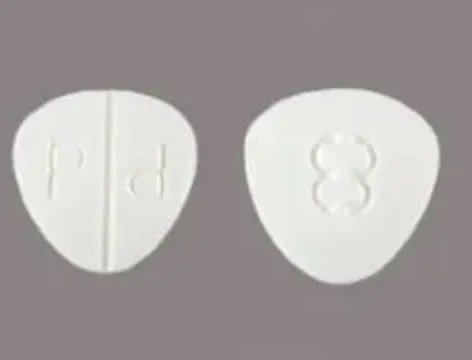
Dilaudid 8 mg
Dilaudid 8mg – The Complete Medical Guide Dilaudid 8mg (hydromorphone hydrochloride) is a high-potency opioid analgesic classified as a Schedule II controlled substance. As one of the strongest commercially available oral opioid formulations, it’s approximately 5-7 times more potent than morphine milligram-for-milligram. This high-dose tablet is reserved for severe, refractory pain in opioid-tolerant patients, typically in cancer pain management or end-of-life care. Dilaudid 8 mg Dilaudid 8 mg is a prescription opioid pain medication used to treat moderate to severe pain. It contains 8 mg of hydromorphone, a potent analgesic that works by altering how the brain and nervous system process pain signals. Dilaudid 8 mg is typically prescribed for short-term pain relief, such as after surgery or injury. Due to its strength and potential for misuse, addiction, or overdose, it should only be taken as directed by a healthcare provider. Always follow your doctor’s instructions for safe and effective use of Dilaudid 8 mg. Medical Uses & Indications FDA-Approved Uses Severe chronic pain management (Cancer-related, palliative care) Acute pain (Major trauma, post-surgical when other opioids fail) Breakthrough pain episodes (In opioid-tolerant patients) Key Clinical Features • Potency: 5-7× morphine (oral) • Onset/Duration: Oral: 30 min onset, 3-4 hr duration IV: 5 min onset, 2-3 hr duration • DEA Classification: Schedule II (High abuse potential) Pharmacology & Effects Mechanism of Action • Pure μ-opioid receptor agonist • Minimal active metabolites (unlike morphine) Therapeutic Effects Rapid, powerful analgesia Reduced affective pain component Mild anxiolysis in terminal patients Abuse Potential • Street names: Dust, Footballs, Smack • Common routes of abuse: Injection, snorting • Overdose risk: Extreme with non-tolerant users Dosing & Administration Standard Dosing • Opioid-tolerant adults: 2-8mg every 3-4 hours PRN • Maximum recommended: 32mg/day (oral) Conversion Guidelines From Equivalent Dose Morphine 30mg PO Dilaudid 6mg PO Oxycodone 20mg PO Dilaudid 4mg PO Fentanyl 100mcg IV Dilaudid 1.5mg IV Critical Safety Notes Absolute contraindication in opioid-naïve patients Must titrate carefully in renal impairment Tablets should never be crushed/chewed Safety Profile Common Side Effects • Respiratory depression (dose-dependent) • Severe constipation (prophylaxis required) • Nausea/vomiting • CNS depression Black Box Warnings Life-threatening respiratory depression Accidental ingestion risk Addiction/dependence potential Neonatal opioid withdrawal syndrome Overdose Management Recognition • Respiratory rate <8 • Pinpoint pupils • Unresponsiveness • Cyanosis Emergency Protocol Administer naloxone (0.4-2mg IV/IM/IN) Support ventilation Repeat naloxone q2-3min PRN Continuous monitoring (may require infusion) Harm Reduction Strategies Locked storage (Prevents diversion) Naloxone co-prescribing (Mandatory in many states) Medication disposal systems Regular PDMP monitoring Clinical Alternatives For Chronic Pain • Methadone (For opioid rotation) • Fentanyl patches (Stable blood levels) • Buprenorphine (Safer profile) For Acute Pain • Oxycodone CR • Morphine sulfate ER • Multimodal analgesia Special Populations Related
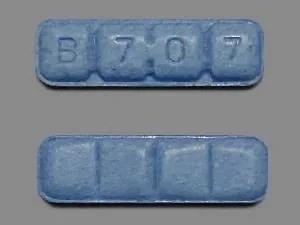
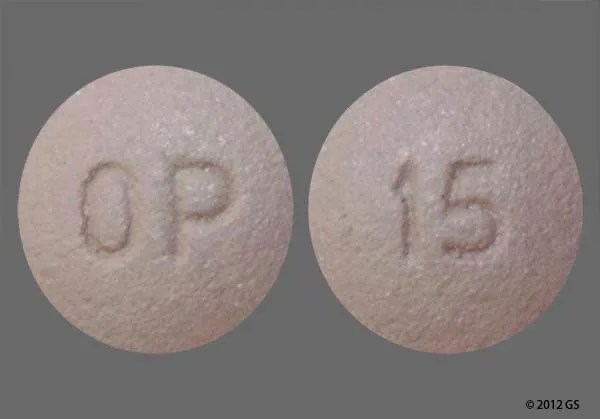
Oxycontin OP 15 mg
Oxycontin OP 15 mg OxyContin OP 15 mg is a prescription opioid medication used to manage moderate to severe chronic pain. Formulated with extended-release technology, it provides up to 12 hours of continuous pain relief, helping patients maintain a higher quality of life. The active ingredient, oxycodone, targets pain receptors in the brain and nervous system for effective pain management. Due to its strength, OxyContin OP 15 mg must be taken exactly as prescribed to avoid the risk of misuse, addiction, or overdose. Always follow your healthcare provider’s instructions for safe and effective use. Related
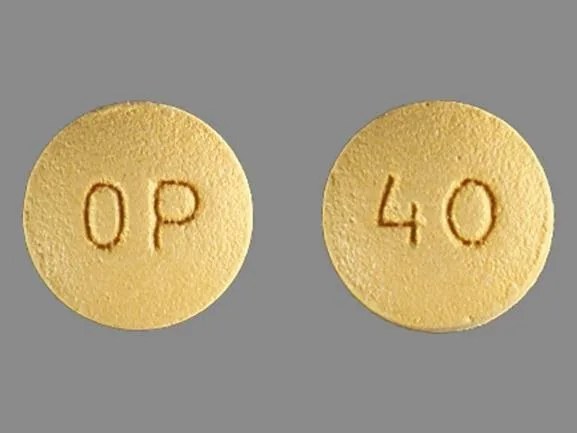
Oxycodone 40mg
Oxycodone 40mg – The Complete Medical Guide Oxycodone 40mg is a high-potency immediate-release opioid analgesic classified as a Schedule II controlled substance. This maximum-strength tablet is reserved exclusively for opioid-tolerant patients with severe, chronic pain that cannot be managed with lower doses. With 1.5 times the potency of oral morphine, it provides powerful pain relief but carries extreme risks of respiratory depression, fatal overdose, and addiction. Oxycodone 40mg Oxycodone 40mg (OP 40) is a narcotic agonist indicated for the management of severe pain when narcotic pain relief is needed and drug options are inadequate. Oxycodone is a semi-synthetic, moderately potent, orally available narcotic that is used primarily for severe or persistent pain in moderate or severe tolerance alone or combination with acetaminophen. Oxy 40 is a prescription-only drug because it requires clear doses, schedules, terms, and side effects. Also, taking too many/inappropriate drugs can be dangerous. It is unreasonable to expect the supply of this drug to be replaced using an equivalent prescription. The yellow round op 40 pill comes in extended-release tablets, standard tablets and capsules, and a liquid that you swallow. It can also be given through an injection, but this is usually done in an emergency clinic. All Oxycodone liquid, standard tablets, capsules, and injections work speedily. They are used for pain because it would be considered normal to go on for short periods and in many cases are used when you start taking Oxycodone 40 mg opinie, to help find the right dose. Narcotics are powerful pain drugs that can cause dangerous respiratory problems. it can cause side effects including weakness, drowsiness, or wooziness in some people. You should try not to drive or operate machinery until you know how it affects you. When you start taking Oxycodone pill or other narcotic drugs or start changing your dosage, you’re at a higher risk of having an accident. Medical Uses & Indications FDA-Approved Uses Severe chronic pain in opioid-tolerant patients Breakthrough cancer pain Palliative care pain management Key Clinical Features • Onset: 15-30 minutes (oral administration) • Peak effect: 1-1.5 hours • Duration: 4-6 hours • Equianalgesic ratio: 40mg ≈ 60mg oral morphine • DEA Classification: Schedule II (Highest abuse potential) Pharmacology & Mechanism Neurochemical Action • Full μ-opioid receptor agonism • κ-opioid receptor partial agonism • Strong activation of brain reward pathways Metabolic Profile • Hepatic metabolism: CYP3A4 (major), CYP2D6 (minor) • Active metabolites: Oxymorphone (via CYP2D6) • Elimination half-life: 3-5 hours Dosing & Administration Strict Eligibility Criteria • Confirmed opioid tolerance: ≥60mg oral morphine equivalent daily for ≥1 week • Failed lower-dose oxycodone trials • No history of substance use disorder Dosing Protocol Initial dose: 20mg q4h PRN Titration: May increase to 40mg if needed Maximum: 160mg/day without specialist consultation Critical Safety Notes Hospital initiation strongly recommended Never crush/chew tablets (dose dumping risk) Requires naloxone rescue kit co-prescription Daily PDMP monitoring required Safety Profile Common Adverse Effects • Severe constipation (universal) • Nausea/vomiting (50-60% incidence) • Profound sedation • Cognitive impairment Black Box Warnings High potential for addiction, abuse, and misuse Life-threatening respiratory depression Accidental ingestion can be fatal Concomitant CNS depressant danger Overdose Management Emergency Protocol Administer naloxone (2mg nasal spray preferred) Call 911 immediately Rescue breathing if apnea present Monitor for renarcotization (minimum 24 hours) Risk Mitigation Strategies Prescribing Controls Specialist consultation required Written opioid treatment agreement Weekly follow-ups for first month Urine drug screening at each visit Patient Safety Measures • Biometric locked storage required • Mandatory caregiver training • Strict disposal protocol for unused medication • Absolute alcohol prohibition Clinical Alternatives For Severe Chronic Pain • Methadone (Careful titration required) • Fentanyl transdermal (Stable pain only) • Hydromorphone ER Non-Opioid Options • Ketamine infusion therapy • Interventional pain procedures • Adjuvant antidepressants/anticonvulsants Special Population Considerations Population Dosing Adjustment Monitoring Elderly (≥65) CONTRAINDICATED – Hepatic impairment CONTRAINDICATED – Renal (CrCl<30) CONTRAINDICATED – Pediatric CONTRAINDICATED – Related

Fentanyl Pills
Fentanyl – The Complete Medical Guide Fentanyl is a synthetic opioid analgesic classified as a Schedule II controlled substance. With 50-100 times the potency of morphine, it’s one of the most powerful opioids available for medical use. Originally developed for cancer pain management, fentanyl is now used in various clinical settings but has also become notorious for its role in the opioid epidemic due to illicit manufacturing and distribution. Medical Uses & Indications FDA-Approved Uses Cancer pain management (In opioid-tolerant patients) Severe chronic pain (Transdermal patch only) Anesthesia adjunct (Surgical settings) Breakthrough cancer pain (Lozenges, sublingual tablets) Key Clinical Features • Potency: 50-100× morphine (IV comparison) • Onset/Duration: IV: 1-2 min onset, 30-60 min duration Patch: 12-24 hr onset, 72 hr duration • DEA Classification: Schedule II (High abuse potential) Pharmacology & Effects Mechanism of Action • Full μ-opioid receptor agonist • 80-100× more lipid soluble than morphine Therapeutic Effects Rapid, profound analgesia Minimal histamine release (vs morphine) Good hemodynamic stability Illicit Use Dangers • Street names: Apache, China Girl, Dance Fever • Common adulterants: Xylazine (“tranq dope”) • Overdose risk: 2mg can be lethal to non-tolerant users Formulations & Dosing Medical Formulations Type Onset Duration Strength Range Transdermal 12-24h 72h 12-100mcg/hr IV/IM 1-5min 30-60min 50-100mcg doses Lozenges 5-15min 1-2h 200-1600mcg Conversion Guidelines • From morphine: 100:1 ratio (100mg morphine ≈ 1mg fentanyl) • Patch conversion: 30mg oral morphine/day ≈ 12mcg/hr patch Critical Safety Notes Never initiate in opioid-naïve patients Patch requires 72-hour disposal monitoring Avoid heat exposure (increases absorption) Safety Profile Common Side Effects • Respiratory depression • Severe constipation • Sedation/confusion • Muscle rigidity (high doses) Black Box Warnings Life-threatening respiratory depression Accidental exposure (especially children) CYP3A4 interactions Addiction/abuse potential Overdose Management Recognition • Pinpoint pupils • Respiratory rate <8 • Unconsciousness • Cyanosis Treatment Protocol Call emergency services Administer naloxone (2mg nasal preferred) Supportive ventilation Repeat naloxone q2-3min PRN Harm Reduction Strategies Test strips: Detect fentanyl in other drugs Never use alone: Supervised consumption Staggered dosing: Test small amounts first Naloxone access: Keep multiple doses available Clinical Alternatives For Chronic Pain • Methadone (For opioid-tolerant patients) • Buprenorphine (Partial agonist, safer profile) • Non-opioid adjuvants For Acute Pain • Hydromorphone • Oxycodone • Multimodal analgesia Regulatory Considerations • Mandatory PDMP checks • Risk Evaluation and Mitigation Strategy (REMS) • Special prescribing requirements in most states Related
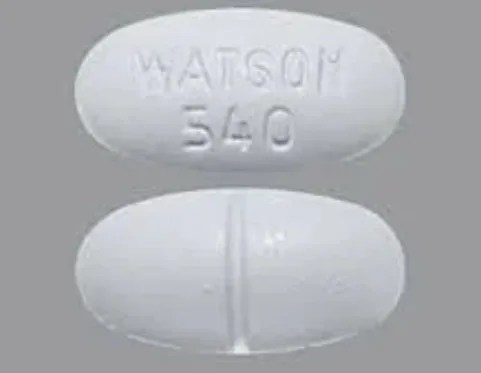
Hydrocodone 10-650mg
Hydrocodone 10/650mg – The Complete Guide to Uses, Dosage, Side Effects & Safety Hydrocodone 10/650mg is a potent prescription opioid combination medication containing 10mg hydrocodone bitartrate (a semi-synthetic opioid) and 650mg acetaminophen (pain reliever/fever reducer). This formulation is prescribed for moderate to severe acute pain when non-opioid medications prove insufficient. As one of the most commonly prescribed opioids in the U.S., it carries significant benefits for pain relief but also serious risks of addiction, liver damage, and overdose. Hydrocodone 10-650mg Hydrocodone 10/650mg is a prescription pain reliever that combines hydrocodone (10 mg), an opioid analgesic, with acetaminophen (650 mg), a non-opioid pain reliever. This powerful combination is designed to manage moderate to severe pain, including pain from surgery, injury, or chronic conditions. Hydrocodone works by altering the way the brain and nervous system respond to pain, while acetaminophen enhances its effectiveness. Hydrocodone 10/650 mg provides rapid pain relief, but due to the potential for misuse, addiction, and side effects, it should only be used under a healthcare provider’s supervision. Medical Uses of Hydrocodone 10/650mg FDA-Approved Indications Acute pain management (Dental procedures, injuries, post-surgical) Short-term pain relief (Typically prescribed for ≤14 days) Severe cough suppression (In some specialty formulations) Key Characteristics • Schedule II controlled substance (High abuse potential) • Combination medication (Opioid + non-opioid analgesic) • Not for chronic pain management (Due to acetaminophen toxicity risk) Effects & Duration Therapeutic Effects Effective pain relief within 30-45 minutes Mild euphoria/relaxation (At therapeutic doses) Cough suppression (When prescribed for this use) Recreational Effects (When Misused) • Intense euphoria (At higher-than-prescribed doses) • Sedation/drowsiness • Reduced anxiety (Short-term effect) Duration of Action Metric Details Onset 20-30 minutes (oral) Peak Effect 1-2 hours Duration 4-6 hours Dosage Guidelines Standard Dosing • Adults: 1 tablet every 4-6 hours as needed for pain • Maximum Daily Dose: Hydrocodone: 40mg (6 tablets) Acetaminophen: 3,000mg (4.6 tablets) Critical Safety Precautions Never exceed 4,000mg acetaminophen/day (Risk of liver failure) Avoid alcohol completely (Synergistic liver toxicity) Do not crush/chew tablets (Dose dumping risk) Not for long-term use (High addiction potential) Side Effects & Risks Common Side Effects • Constipation (Requires proactive management) • Nausea/vomiting • Dizziness/lightheadedness • Mild itching Serious Risks Respiratory depression (Especially when combined with other depressants) Liver toxicity/failure (From acetaminophen component) Opioid use disorder (With prolonged use) Severe allergic reactions Withdrawal & Addiction Withdrawal Timeline Phase Symptoms Duration Early Anxiety, sweating 6-12 hours Peak GI distress, tremors 2-3 days Late Insomnia, cravings Weeks-months Addiction Risk Factors • Personal/family history of substance abuse • Mental health disorders (Depression, anxiety) • Concurrent benzodiazepine use Safer Alternatives Pharmacological Options • Oxycodone (without acetaminophen) • Tramadol (Lower abuse potential) • Buprenorphine (For chronic pain management) Non-Opioid Alternatives • NSAID combinations (Ibuprofen + acetaminophen) • Topical analgesics (Lidocaine patches) • Physical therapy modalities Essential Safety Tips Use lowest effective dose for shortest duration Store securely to prevent diversion Have naloxone available Dispose unused medication properly Related
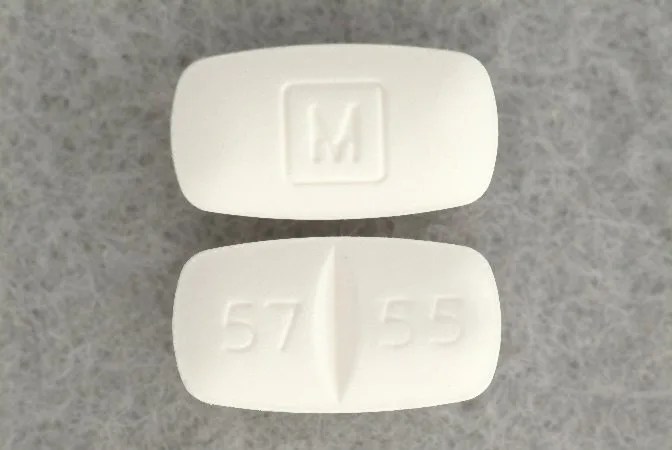
Methadone 5mg
Methadone 5mg – The Complete Medical Guide Methadone 5mg is a long-acting synthetic opioid classified as a Schedule II controlled substance. As the lowest commercially available tablet strength, it serves as a starting dose for both pain management and medication-assisted treatment (MAT) for opioid use disorder. Unlike shorter-acting opioids, methadone provides sustained relief with unique pharmacokinetics that require special clinical consideration. Methadone 5mg Methadone 5mg is a prescription medication used to treat severe pain and manage opioid dependence. As a long-acting opioid, Methadone works by altering the way the brain and nervous system respond to pain, providing relief for chronic pain conditions or as part of a comprehensive treatment plan for opioid addiction. Medical Uses & Indications FDA-Approved Uses Opioid use disorder maintenance (MAT programs) Chronic pain management (When alternatives inadequate) Detoxification treatment (Opioid withdrawal management) Key Clinical Features • Duration: 24-36 hours (vs 4-6h for morphine) • Half-life: 15-60 hours (highly variable) • DEA Classification: Schedule II (Special prescribing requirements) • QTc Prolongation Risk: Dose-dependent Pharmacology & Effects Unique Mechanisms • NMDA receptor antagonism (reduces tolerance) • Serotonin/norepinephrine reuptake inhibition • μ-opioid receptor agonist Therapeutic Effects Sustained analgesia (delayed onset: 30min-4h) Suppression of withdrawal symptoms Reduced opioid craving Risk Profile • Accumulation risk: Due to long half-life • Overdose danger: Peak respiratory depression at 3-5 days • Street names: Fizzies, Amidone Dosing Protocols For Pain Management • Opioid-naive: Start 2.5-5mg every 8-12 hours • Titration: Increase by ≤5mg every 5-7 days • Max daily: Typically 30-40mg (pain) For MAT (Opioid Treatment Programs) • Induction: 20-30mg initial dose • Maintenance: 60-120mg/day (average) • Supervised administration required Critical Safety Notes QTc monitoring essential (ECG at >40mg/day) Never use PRN for pain (Accumulation risk) Avoid CYP3A4/2B6 inhibitors Special certification required for MAT prescribing Safety Profile Common Side Effects • Constipation (less than other opioids) • Excessive sweating • Sleep disturbances • Peripheral edema Black Box Warnings Life-threatening QT prolongation Respiratory depression risk Accidental ingestion/overdose Drug interactions danger Overdose Management Unique Considerations • Delayed onset (may occur days after dose increase) • Prolonged resuscitation often needed Treatment Protocol Naloxone administration (higher doses often required) Continuous monitoring (24-48 hours minimum) ECG for QTc assessment Respiratory support Harm Reduction Strategies Locked storage (Diversion risk) Take-home dose regulations (MAT programs) Patient education about accumulation risk Regular ECG monitoring Clinical Alternatives For Pain Management • Morphine ER • Oxycodone CR • Buprenorphine (Lower risk) For MAT • Buprenorphine/naloxone • Naltrexone XR • Behavioral therapies Special Populations Population Considerations Elderly Start ≤2.5mg, slow titration Hepatic Impairment 50% dose reduction Cardiac History Strict QTc monitoring Pregnancy Preferred MAT option Related