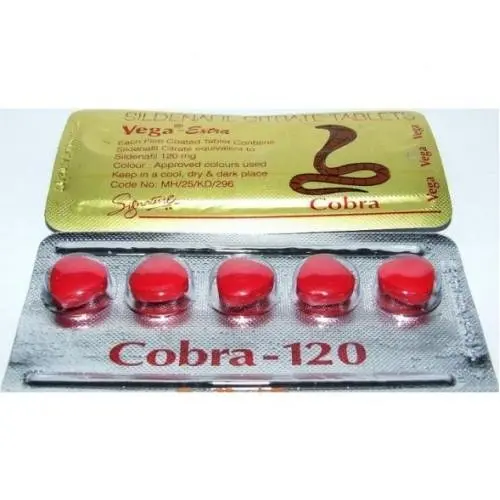
Steroids
Steroids and performance enhancers
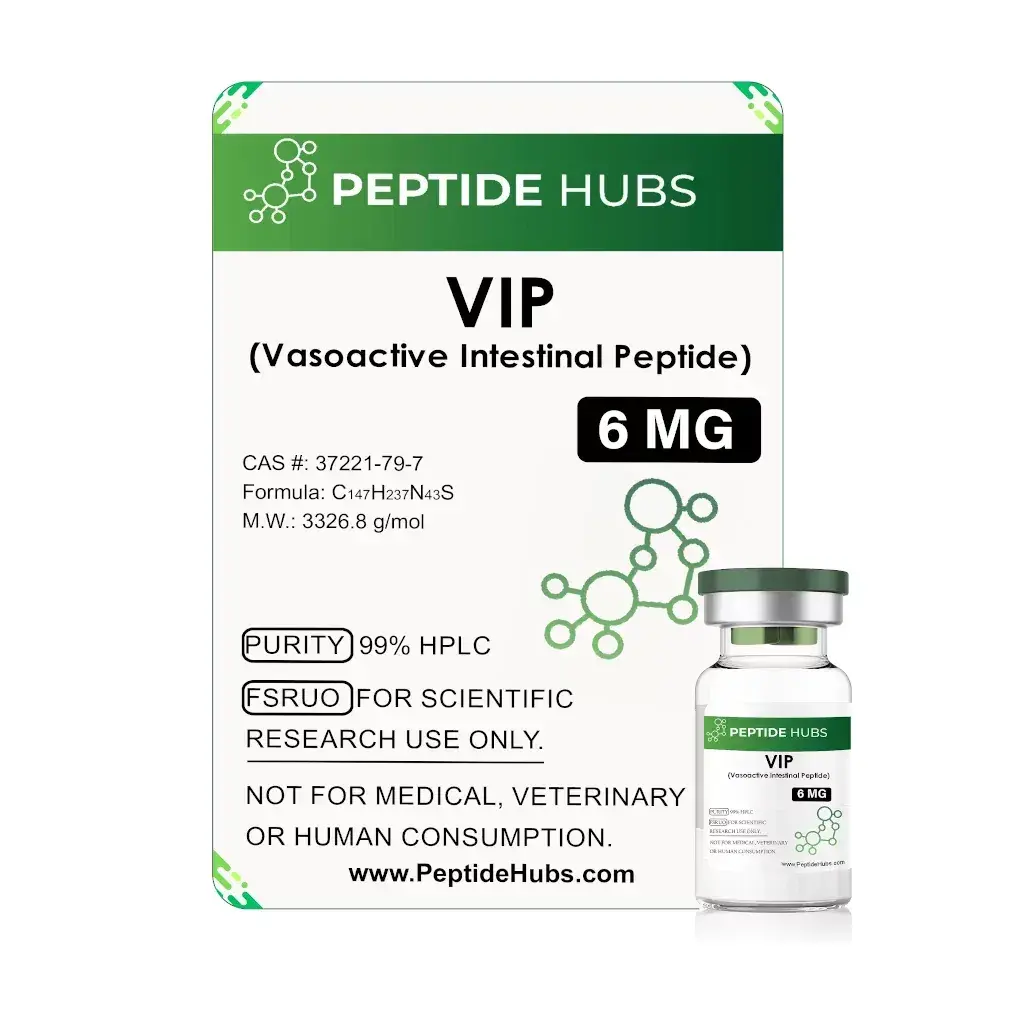
Vip 6 mg
VIP 6 mg – Vasoactive Intestinal Peptide for Inflammation & Neuroimmune Research VIP (Vasoactive Intestinal Peptide) is a 28-amino acid neuropeptide naturally produced in the gut, brain, and immune tissues. It is involved in a wide range of physiological processes, including smooth muscle relaxation, immune modulation, gastrointestinal function, and circadian rhythm regulation. This 6 mg (2 mL) vial by Peptide Hubs is a high-purity peptide formulation intended for research use only. What Is Vasoactive Intestinal Peptide (VIP)? VIP is a pleiotropic signaling molecule with potent anti-inflammatory and immunomodulatory properties. It plays a critical role in regulating the enteric nervous system, pulmonary function, cardiovascular tone, and neuroprotection. According to published data on PubMed, VIP has been shown to suppress pro-inflammatory cytokines while enhancing regulatory T-cell activity, making it an attractive compound for inflammatory and autoimmune research. Key Research Applications Gut-brain axis signaling and motility regulation Anti-inflammatory and immunomodulatory models Research into pulmonary hypertension and asthma Neuroprotective peptide in CNS and neurodegenerative models Autoimmune disease and systemic inflammation studies
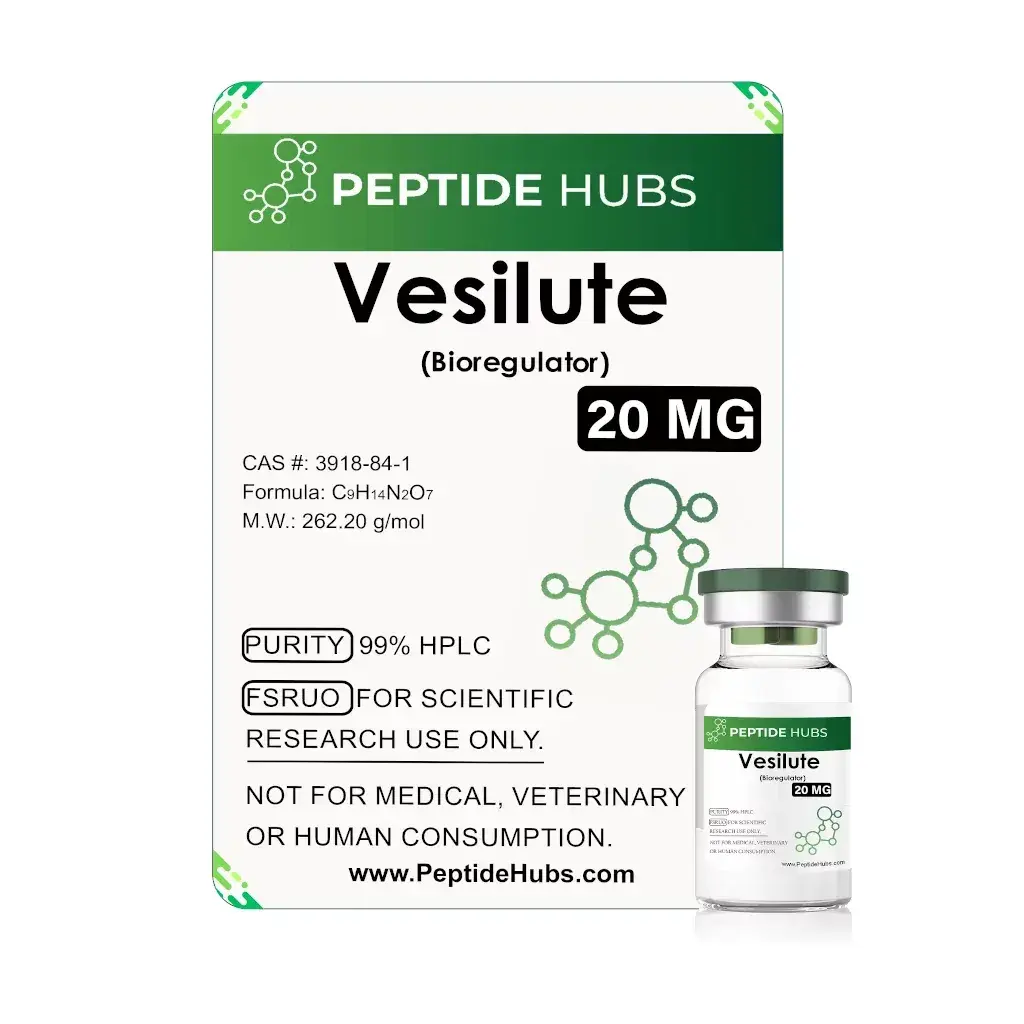
Vesilute 20 mg
Vesilute 20 mg – Bladder Tissue Peptide Bioregulator | Peptide Hubs Vesilute is a synthetic peptide bioregulator designed for bladder and lower urinary tract tissue support. This 20 mg (2 mL) vial by Peptide Hubs is offered as a high-purity compound for experimental use in studies involving epithelial regeneration, urinary function, and age-related decline of bladder tissue. It mimics natural peptides derived from bladder tissue and is used in research investigating organ-specific cellular regeneration. What Is Vesilute? Vesilute is part of a class of peptides known as cytomedines—organ-specific bioregulators that target gene expression and cellular renewal in specific tissues. In this case, Vesilute is studied for its effects on bladder urothelial lining, detrusor muscle tone, and urinary tract epithelium. Research indicates it may support tissue restoration, reduce inflammation, and normalize voiding functions. According to studies on peptide bioregulators, compounds like Vesilute may play a role in epigenetic modulation, helping restore normal cellular functions in aging or damaged organs. Key Research Applications Bladder tissue repair and regeneration Normalization of urothelial function Support in urinary incontinence and LUTS models Anti-inflammatory support in urological tissue Anti-aging applications for urinary tract health

Vesugen 20 mg
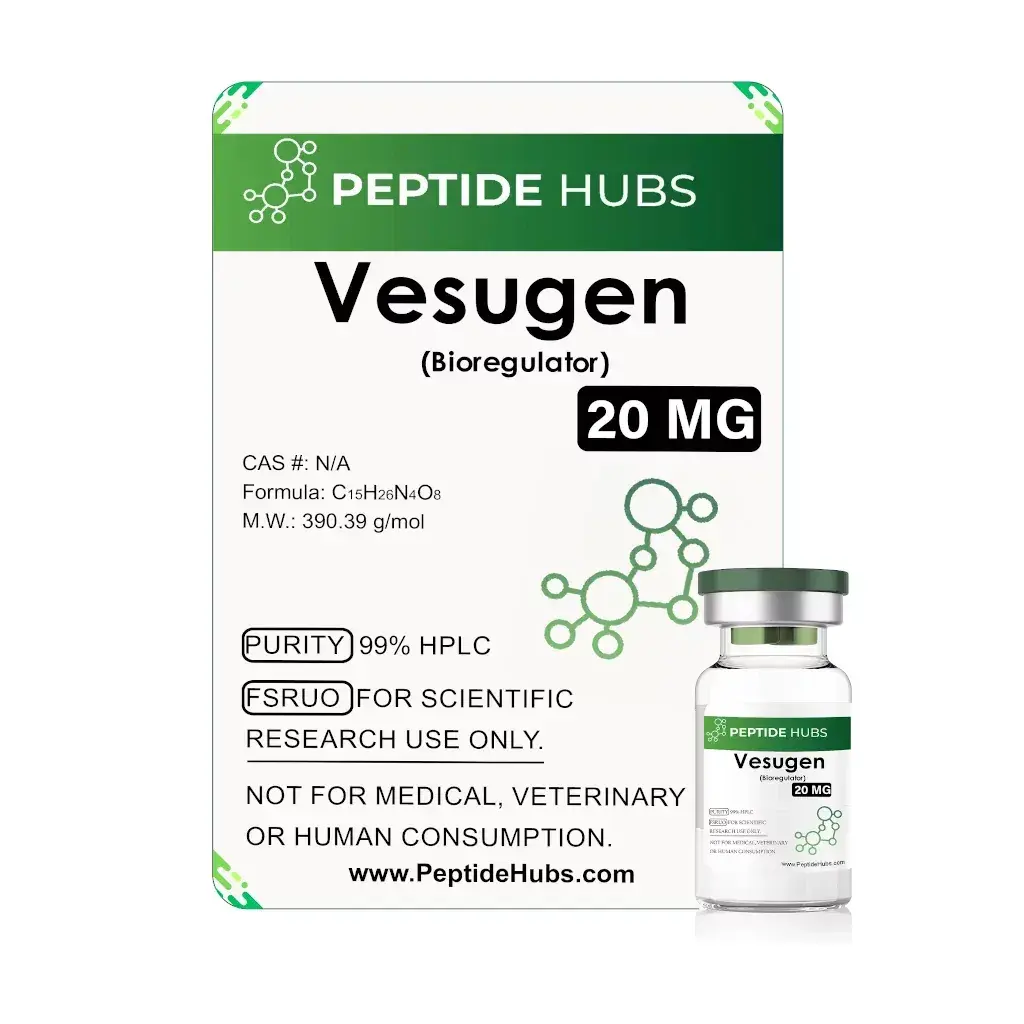
Vesugen 20 mg – Vascular Tissue Peptide Bioregulator | Peptide Hubs Vesugen is a short-chain peptide bioregulator derived from vascular endothelial tissue, offered in a 20 mg (2 mL) vial by Peptide Hubs. It is used in research to study gene expression regulation in blood vessels, cellular repair of vascular endothelium, and cardiovascular aging. As a cytomolecular bioregulator, Vesugen targets vascular health at the genomic level, making it a promising compound for longevity, recovery, and cardiovascular protection protocols. What Is Vesugen? Vesugen belongs to the class of tissue-specific peptides known as cytomedines or bioregulators. It influences the function of endothelial cells, supporting vascular tone, elasticity, and repair. It is often studied in the context of hypertension, atherosclerosis, ischemia-reperfusion injury, and vascular degradation due to aging. According to research on peptide bioregulation, compounds like Vesugen may play a role in reversing endothelial senescence and supporting angiogenesis. Key Research Applications Vascular endothelial repair and maintenance Support in cardiovascular aging models Improved elasticity and function of arterial walls Epigenetic regulation of blood vessel gene expression Research into stroke recovery, ischemia, and hypertension